

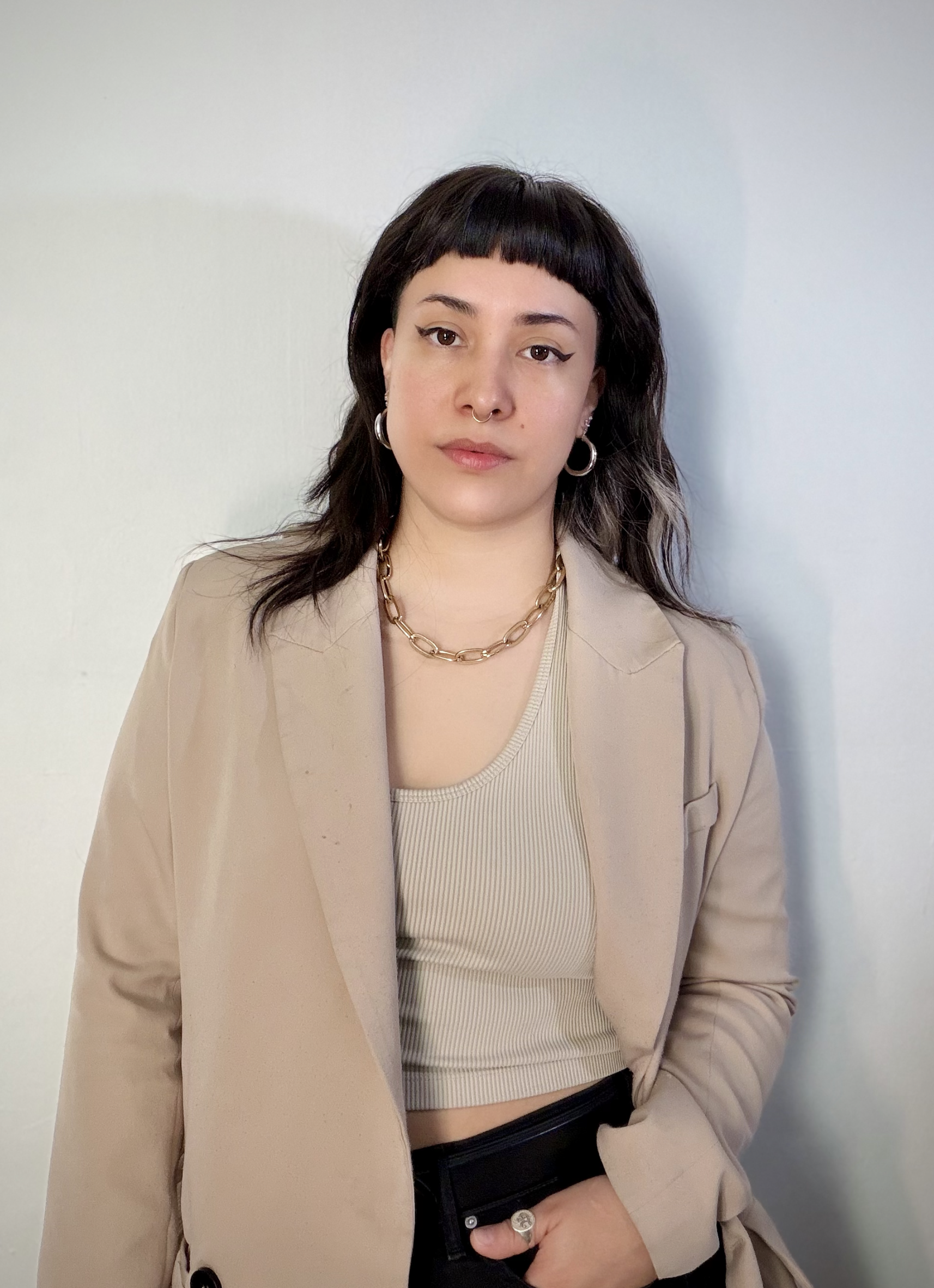
Barbara Tutifruti
She/They
Guadalajara, Jalisco, Mexico
“Bárbara Tutifruti is an art director and narrative designer from Guadalajara, specializing in creative projects and the production of exquisite objects. She holds a degree in Industrial Design and a master’s degree in Advertising and Corporate Communication from the Universidad Autónoma de Guadalajara, as well as a master’s degree in Art Direction for Audiovisual Media from ELISAVA. Her work primarily explores themes of identity, community, and eroticism. She has participated in over ten jewelry exhibitions across Mexico, Italy, Spain, Russia, Australia, and Japan.”
“I live for pleasure found in taste, smell, touch, and comfort. Seeking self pleasure is a constant discovery of unexpected territories. My body is my land and I thrive to please it through understanding how it works, why, and how it desires. As a queer woman raised catholic - immersed and in awe with the complexity of human psyche and sexual desire - sex and erotica are inviting needs of re appropriation. My intentions behind being a “vulvartist” is a constant dialogue as private and intimate as it is public and political.”
barbaratutifruti.com
How does your work relate to the theme of restoration?
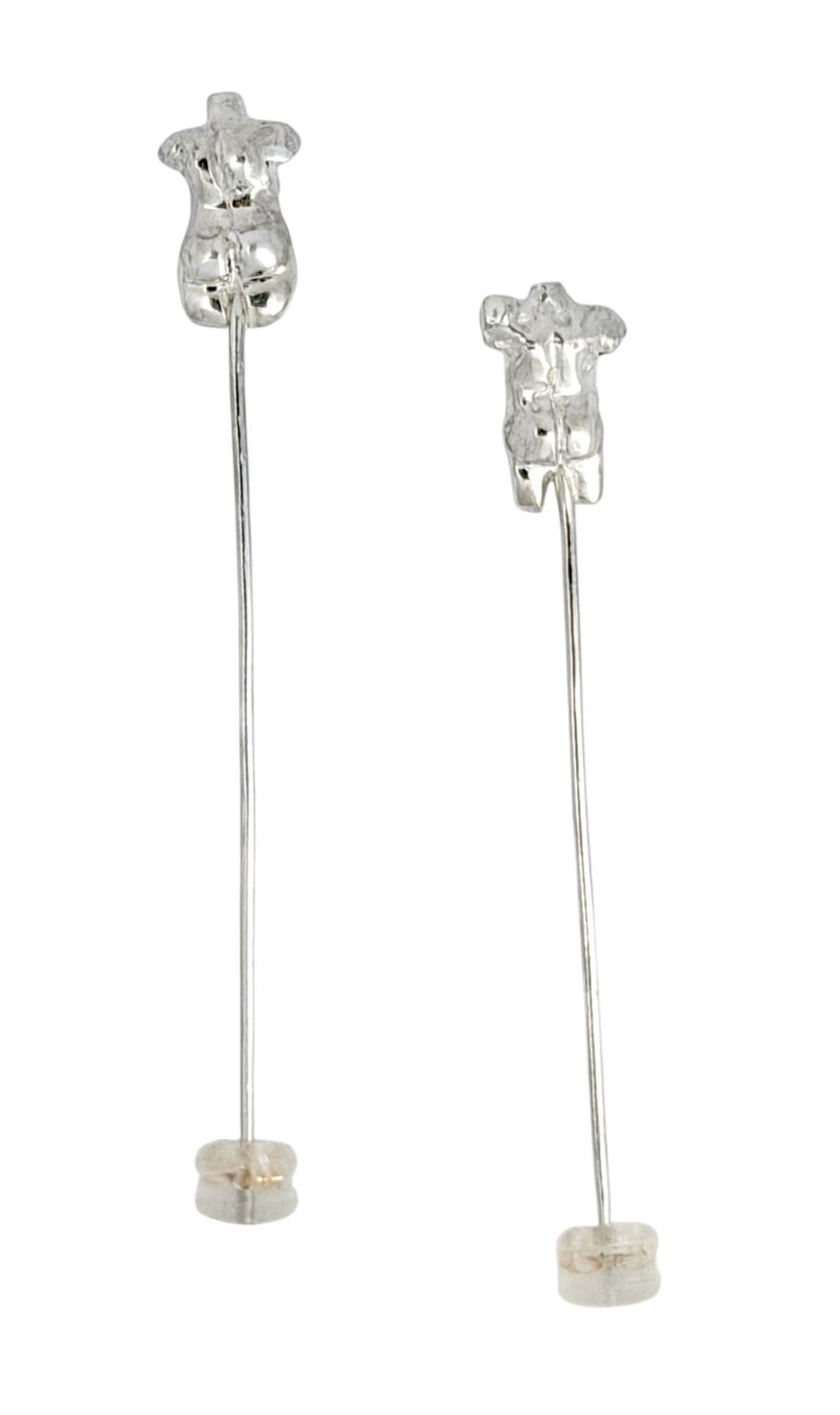
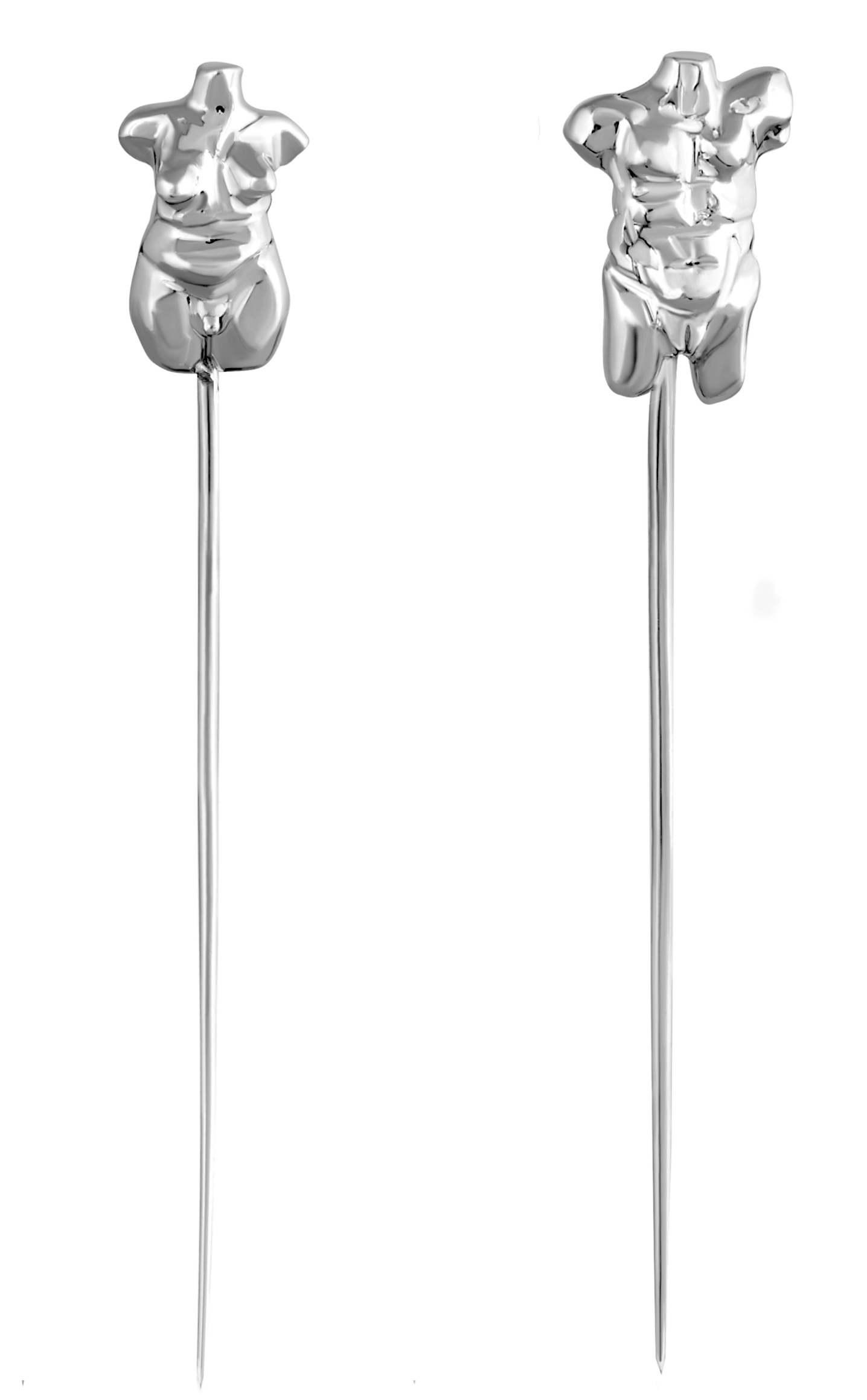
“In ancient societies, both the vulva and the penis were revered as primordial symbols of protection and creation. However, over time, their historical trajectories diverged drastically: while the penis was celebrated in classical antiquity and later censored and relegated by dogma, the representation of the vulva suffered systematic erasure for centuries. It was not until the late XIX century that it began to reappear through the male gaze, and not until the arrival of pop art that diverse female artists reclaimed agency over their own bodies and how they wished to represent it.
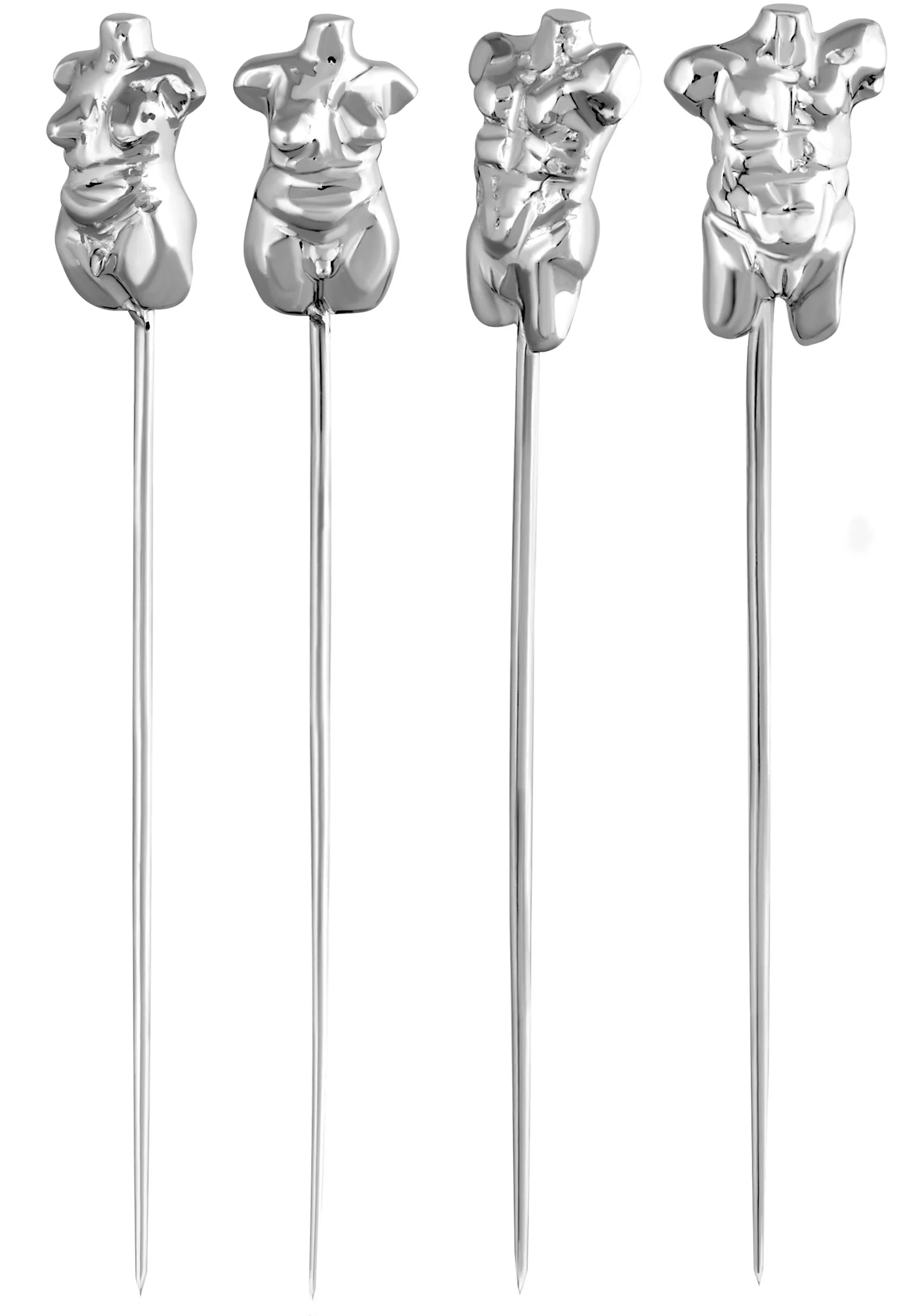
Within this territory of recent reappropriation, both women artists and sex-gender diversities have explored the multiple expressions of pleasure and corporeality. Taking the canons of Greco-Roman sculpture and the historical absence of vulvar representation as a reference, these pieces seek to subvert normativity through the visibility of trans bodies. Restoring beauty from a classical aesthetic to reclaim it, once again, as a liberated and personal territory.”
"Venuses", Silver, 0.19 x 0.11 x 1.5 in", 2025, Barbara Tutifruti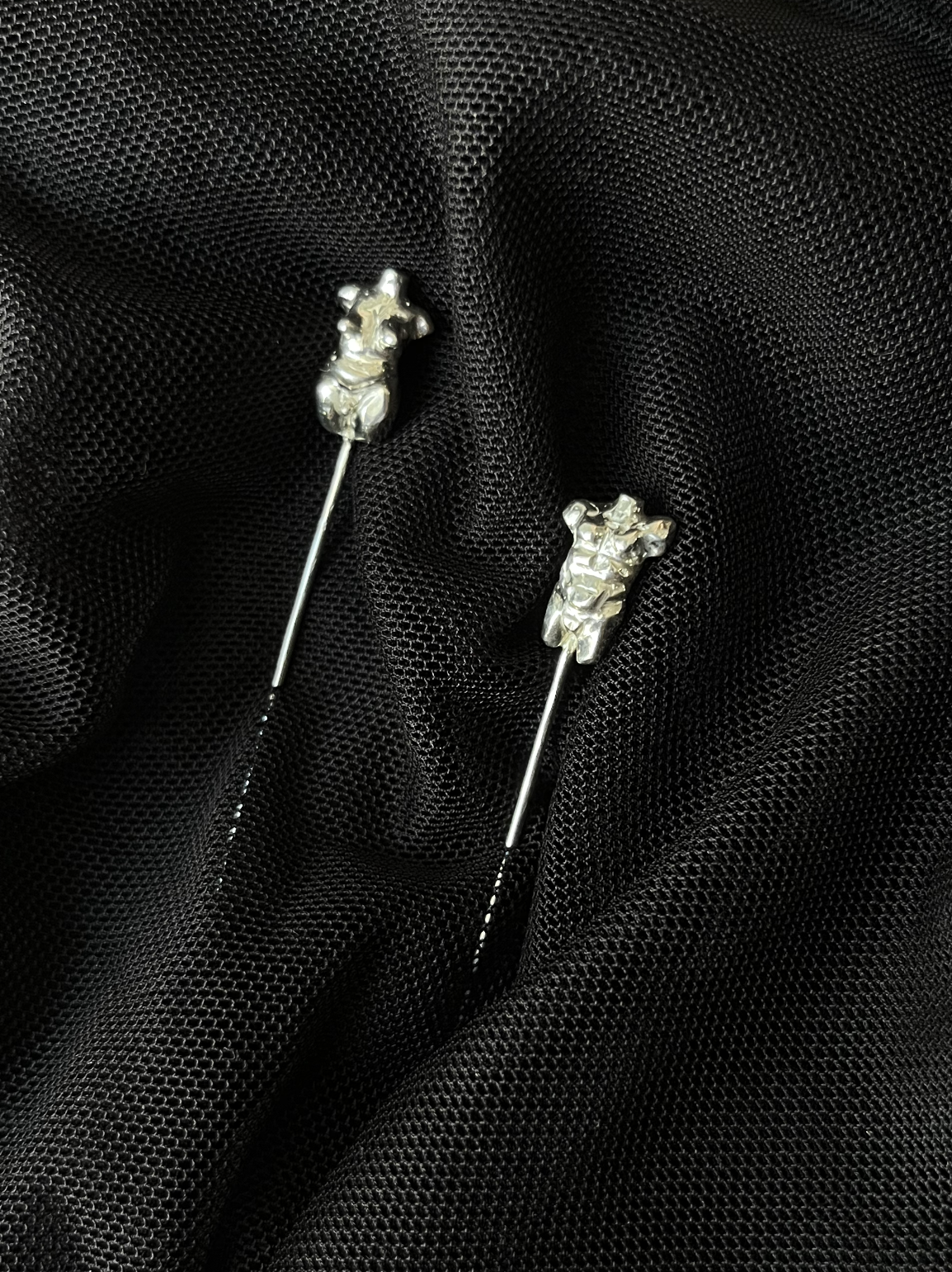
How does your creative practice allow you to restore (renew, return, reclaim, recover)?
“Driven by my interest in eroticism and gender, I have actively engaged with feminist and LGBTQ+ circles. This involvement has led me to connect, dialogue, and learn through workshops on vulvar care, menstruation, intersexuality, and polyamory, as well as to participate in discussions on gender-perspective sex education and sex work, among other topics. My work has thus become a protopian space for metallic expressions backed by new dissident narratives, which confront various sociocultural norms. To re-signify pain, to reappropriate pleasure.”
As a queer+, artist, what do you see can be, needs to be, or cannot be restored?
“I might change my mind in the future, but right now I think that absolutely everything goes, as long as its perspective is divergent, feminized, and/or queer.”
Photographs Courtesy of the Artist
Anything else you would like to share about this work? This can be an important part of the process, sourcing materials, or research.
“Simply put, in my research on the representation of the vulva in sculpture, I discovered that they resolved the pubic area by carving a smooth surface, free of hair or anatomical folds, just like a Barbie doll. This infantilization of the female body is known as 'Venus Pudica' (or Modest Venus), meaning that ancient sculptures, after the paleolotical period, of feminized bodies with a visible vulva simply do not exist.”