
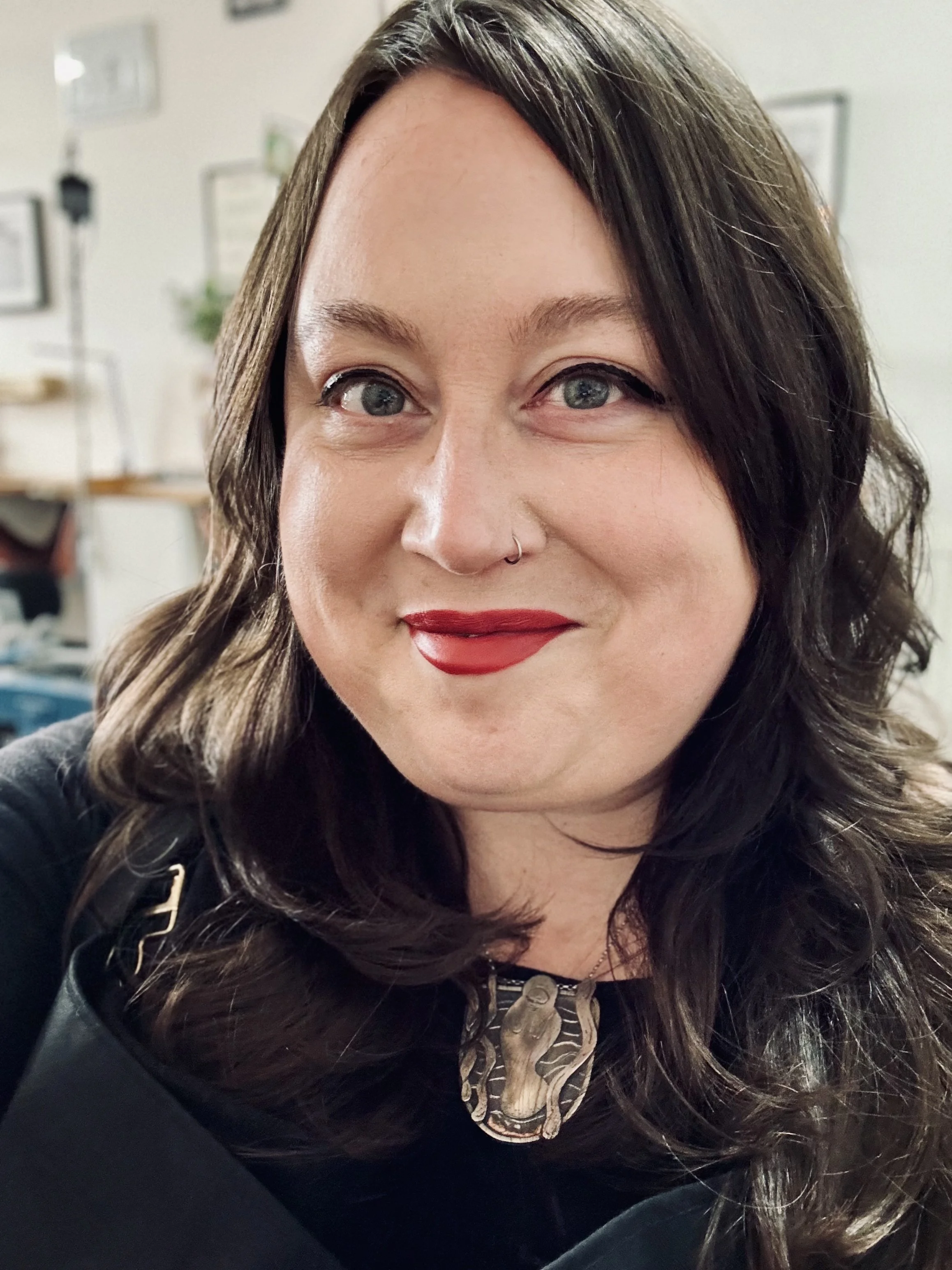
Stacy Bias
She/They
Glasgow, Scotland, United Kingdom
“Stacy Bias is a queer, Glasgow-based multidisciplinary artist and jeweller with over 25 years of creative practice spanning activism, cultural organising, ethnographic animation and illustration. In March 2023 she began silversmithing at Vanilla Ink CIC, where she’s now resident. Metal is the newest medium in a practice that has always centred connection, transformation, and empowerment. Her earlier work includes founding TechnoDyke.com, one of the internet’s first and largest online communities for queer women (trans inclusive), now archived by the US Library of Congress and cited in the Supreme Court case Matal v. Tam. Her 40+ ethnographic animations have shown internationally at festivals and venues including Tate Liverpool and the Horniman Museum. Bias launched her first jewellery collection, Murmuration, in 2025, and was awarded Creative Scotland funding to join Vanilla Ink's 2027 INKubator programme. She is currently developing Held, a six-piece collection exploring grounding and self-regulation. See more at stacybiasjewellery.com.”
“I make detailed, illustrative sterling silver jewellery. My work centres connection, resilience, and transformation. I came of age in the 80s and 90s, amid the Satanic Panic, the rise of evangelical media, and a wave of anti-gay legislation. A closeted queerling in a rural town, pre-internet, I scanned necks and earlobes for pride rings and pink triangles. Showing ourselves was risky, but it was how we found one another, turning shame and isolation into care and community. As a Gen X maker, I carry that torch: making little lighthouses in the dark to help us find ourselves and one another.”
@_StacyBias
How does your work relate to the theme of restoration?
“Restoration sounds reassuring, but like any tool, it can be used against us. Western culture prizes individualism because capitalism depends on it, and self-care, which in its most loving form is a restorative act that lets us return to caring for others, has been commodified into simply another way to surveil and punish ourselves and one another. The prevailing common-sense narrative of personal restoration – a constant striving to be healthier, better, stronger, wiser, more resilient, and thus less dependent – keeps us isolated and focused on fixing ourselves instead of organising together, and I never want that to be what my work is about.
For queer and trans people, restoration simply cannot be a practice in isolation. It must be the foundation upon which our collective infrastructure is built.
As a Gen-X maker, I lived through an earlier version of the fights we’re currently facing. The Satanic Panic, the rise of the evangelical media and megachurches, book bans, legislated discrimination, healthcare and employment restrictions, the restoration of ‘family values’, and ongoing political and media rhetoric that treats queer trans people's existence and safety as though these are things up for debate. The physical and emotional toll this takes on individuals and communities is immense.
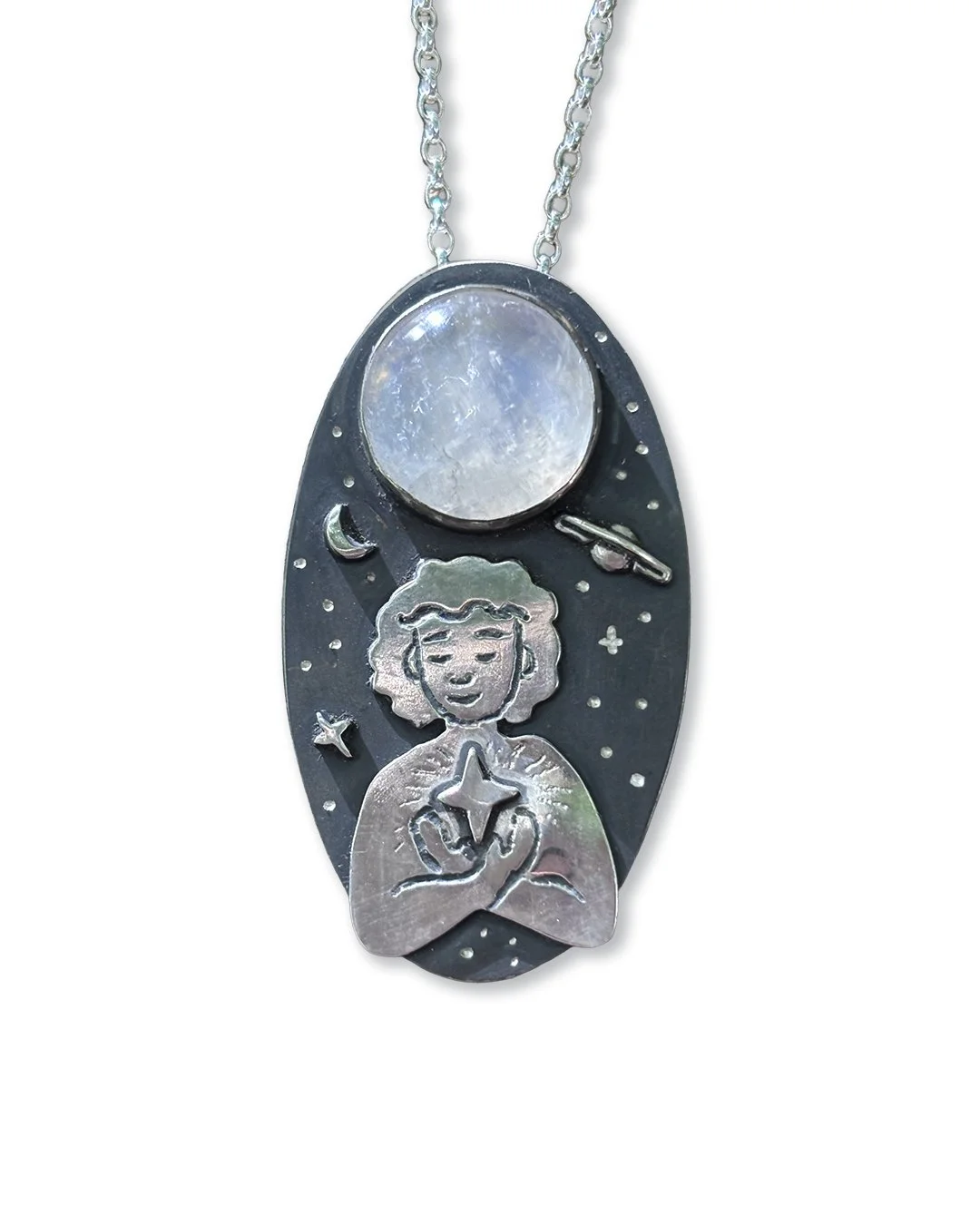
My three existing pendants from my Held collection (in progress) – Uplifted, Held, and Enough – were inspired by my grief, anger and renewed determination while watching that pattern repeat. Each piece represents something that an individual supporting a community needs to keep functioning under sustained pressure: hope, optimism, and self-belief (Uplifted), the willingness and trust required to lean on others instead of carrying everything alone (Held), and holding onto intrinsic self-worth that outside attacks can never touch (Enough).
As much as these ideas matter for individuals, they matter more for movements. People who are depleted, isolated, or convinced their value can only be granted by those in power don't have much left over for organizing, showing up, or protecting each other.
Restoration can’t be separated from resistance, nor can it be a substitute. It's what makes sustained resistance possible. This is what my work speaks to.”
Enough, 2026, 1.7 x 1", Sterling silver, moonstone, Stacy Bias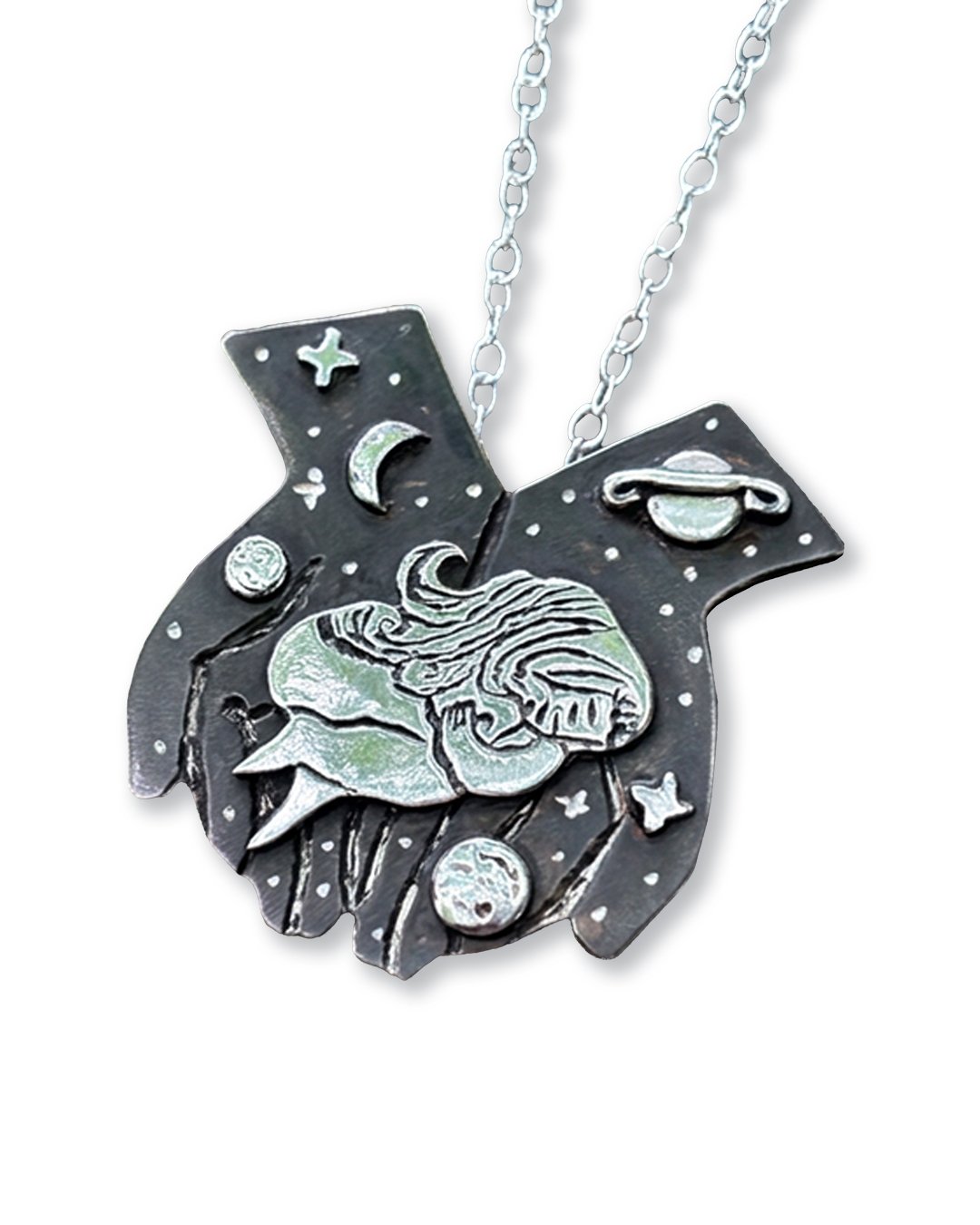
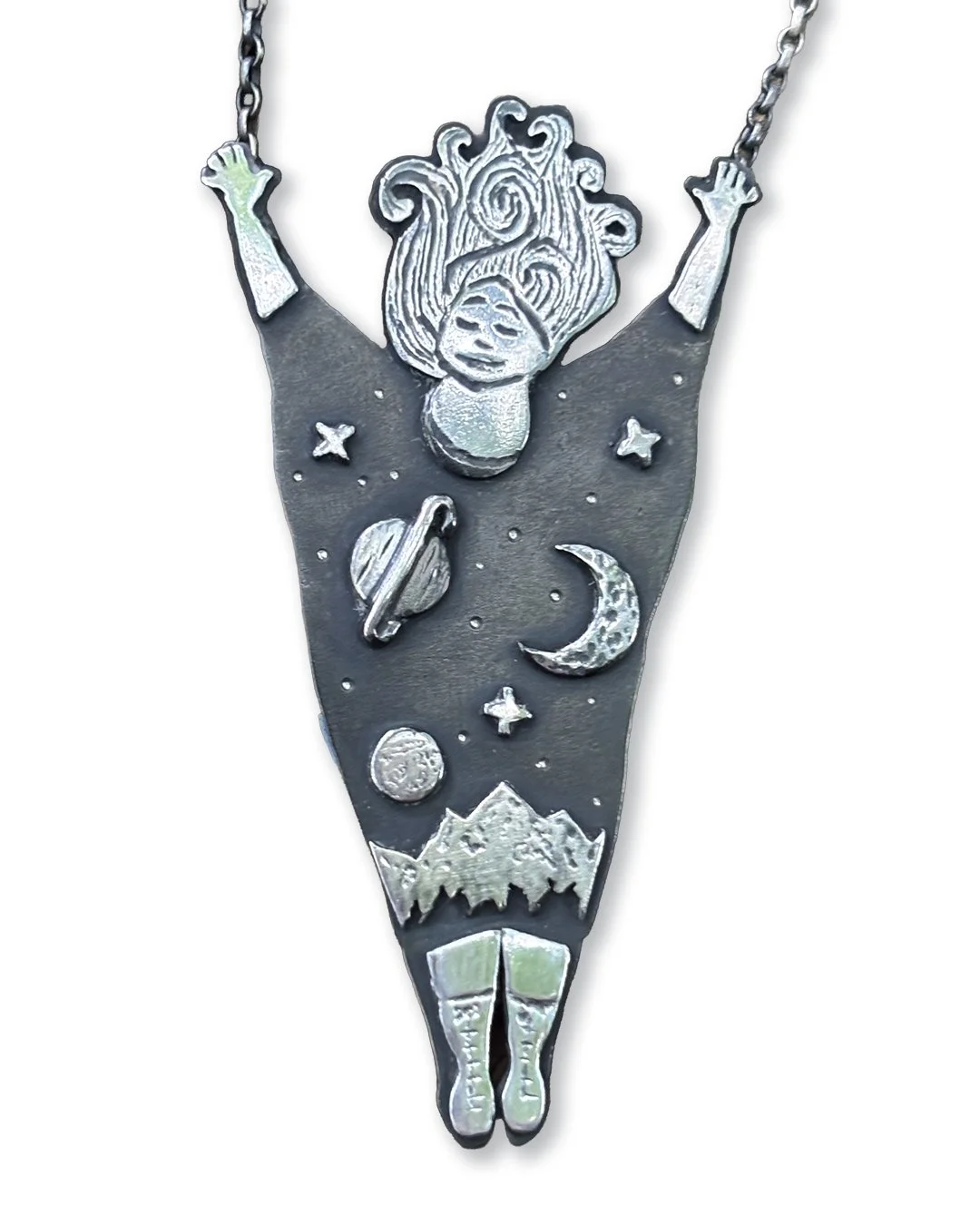
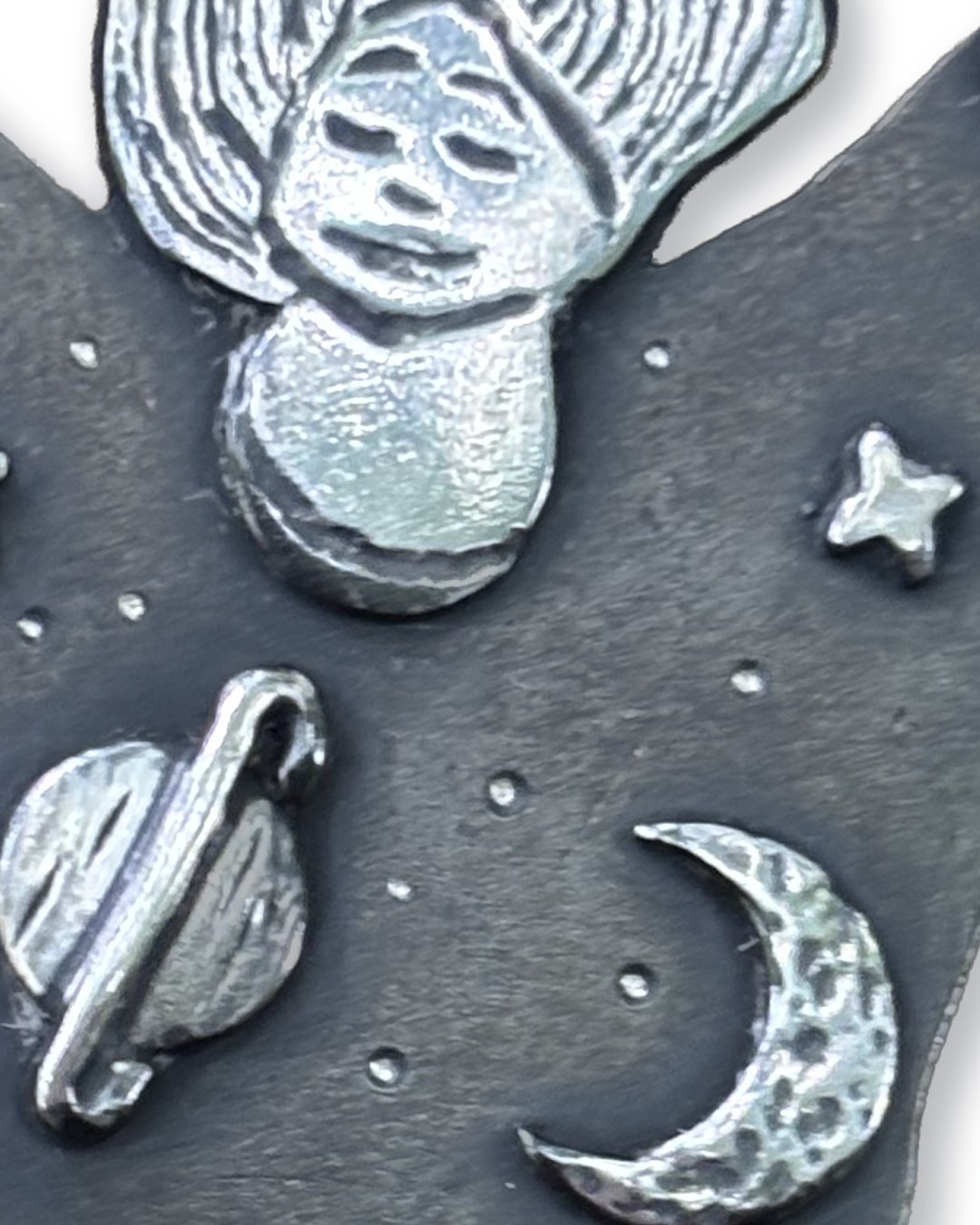
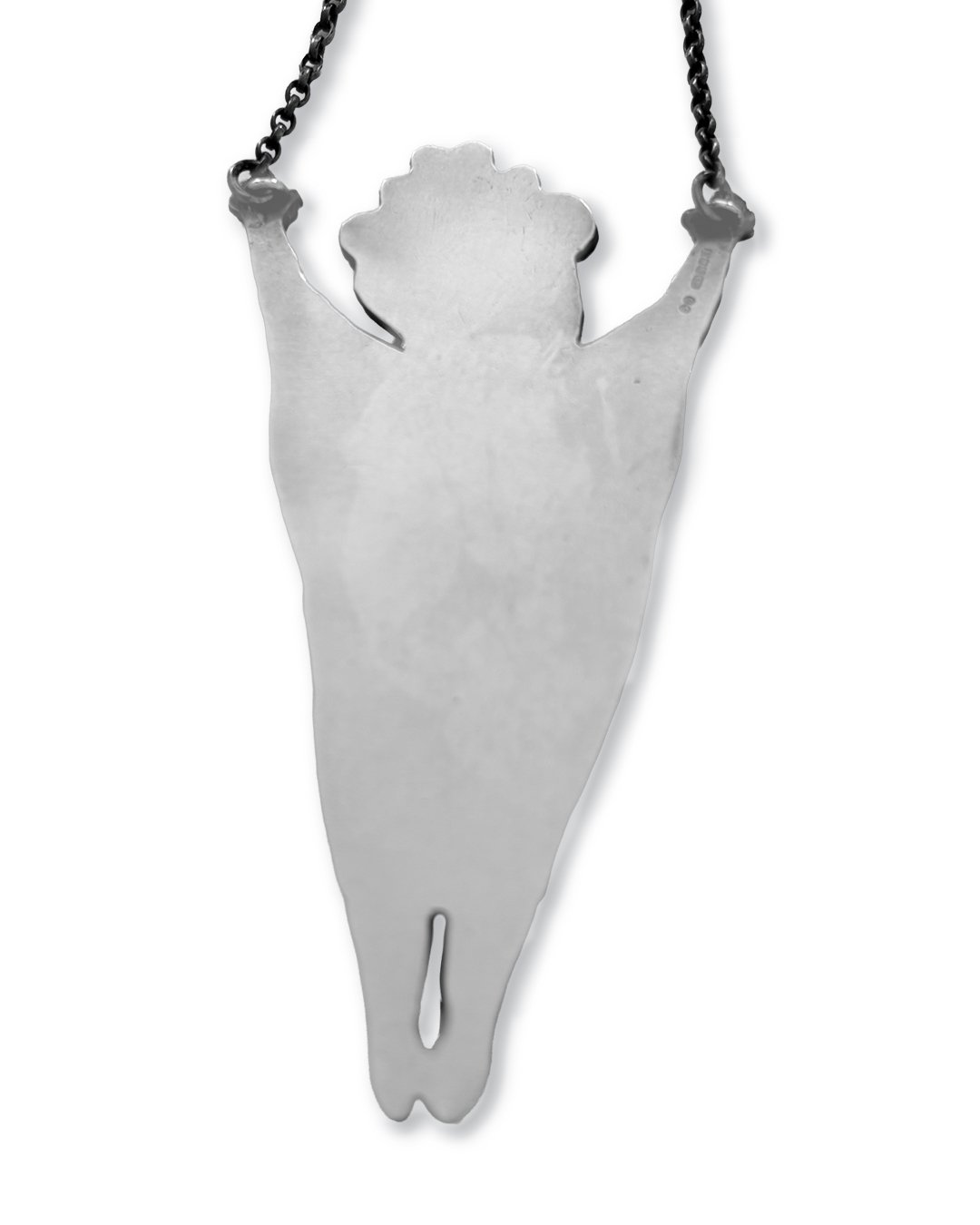
Uplifted, 2025, 2.5 x 1.5", Sterling Silver, Stacy BiasHow does your creative practice allow you to restore (renew, return, reclaim, recover)?
“I didn’t touch a computer until I was 18 years old, and I didn’t own one until I was 20. That’s a hair over 1/3rd of my life without access to worlds beyond my own local community. I came of age stuffing envelopes at the local Lesbian Community Center, sitting in phone banks calling strangers and asking them to vote for someone who wouldn’t legislate my existence as “abnormal, wrong, unnatural and perverse” (Measure 9, Oregon, USA 1992), and hanging event fliers on the bulletin board at my local feminist bookstore.
These were difficult years – so many queers in rural town completely disconnected from one another, struggling to find safety, connection, and community. But there was also a sense of fulfilment in clustering together in safe havens, planning grassroots and direct actions, and tending to one another in trying times.
When the Internet arrived, I took that grassroots ethos and built TechnoDyke.com because building spaces for queer people to find each other was what I knew mattered most in terms of changing lives for the better. And from there, that blossomed into more cultural organising with conferences, workshops, community swims, and other physical spaces where marginalised folks could gather and be held in community.
Somewhere along the way, practical realities and no small amount of burnout redirected me. My community-building work slowed down and turned into other ways of making change. Animation and illustration were more solitary pursuits – at a desk and behind a screen instead of in rooms with others. My reach was broader, but my level of personal connection – with my body, with my communities – weakened.
Making jewellery has become a return to both. I’m now in community in a shared studio with other makers. I’m using my hands (and metal, and FIRE!) to make slow, detailed, satisfying work. I’m deep focused and constantly learning. And I’m still able to pack meaning into what I make – to think with and around the work, bring in themes that matter to me, and become another kind of storyteller who gets to make work that people carry around with them.”
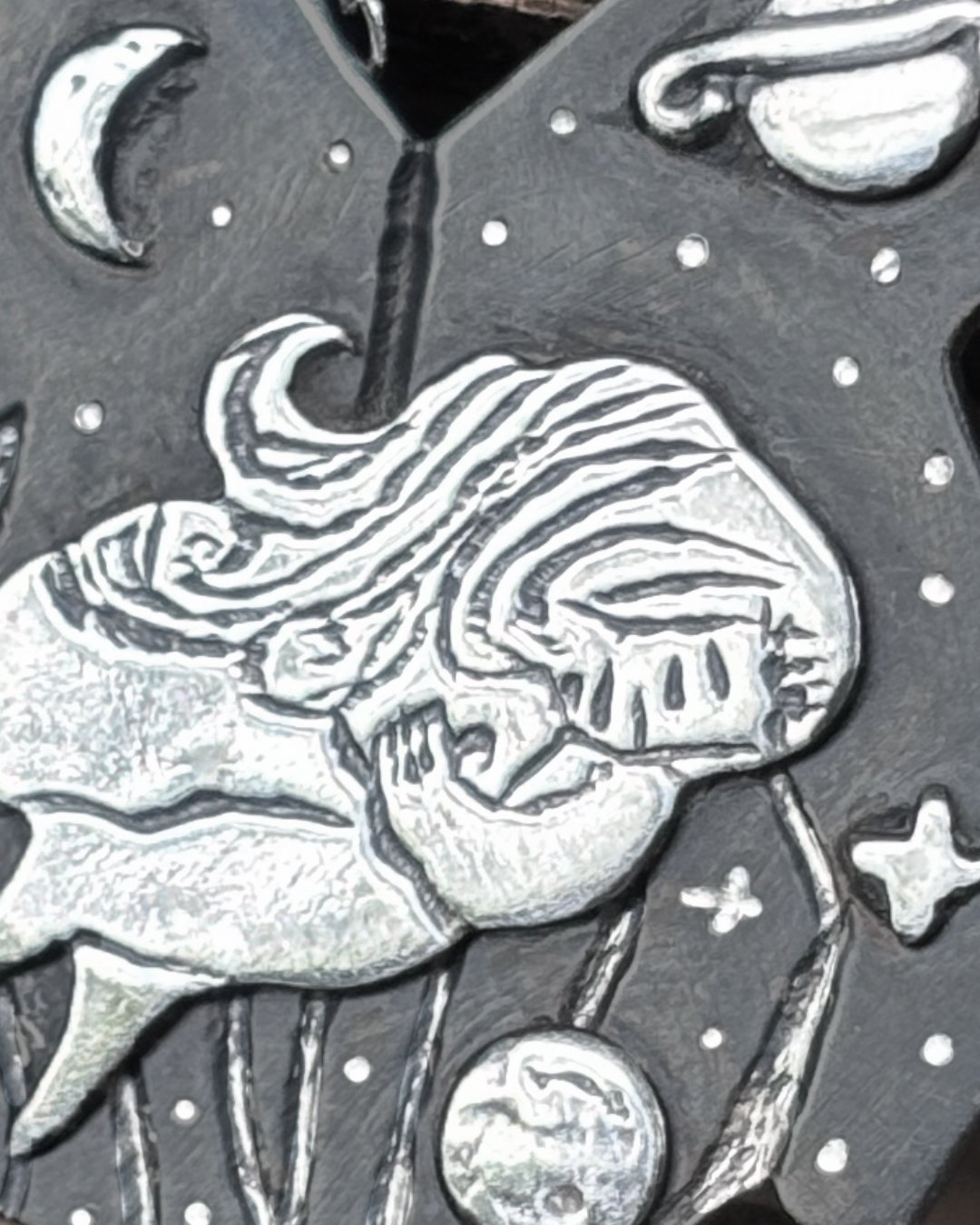
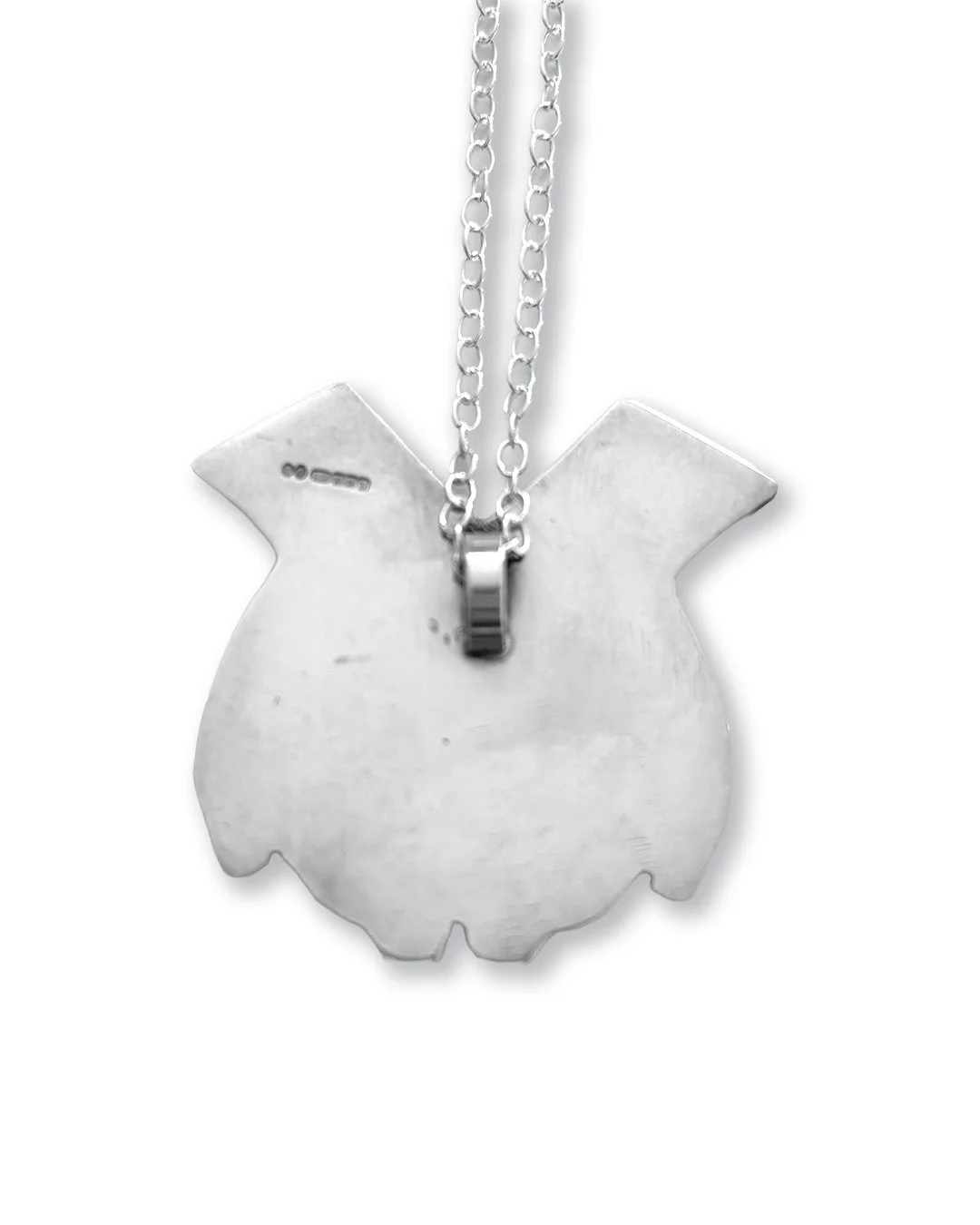
Held, 2026, 1.5 x 1.5", Sterling Silver, Stacy BiasAs a queer+, artist, what do you see can be, needs to be, or cannot be restored?
“As I age, I've found myself battling cynicism, something I've never grappled with before as an almost pathological optimist. But you get old enough, you start to see the patterns of things. Power and powerlessness don't resolve toward justice the way we've been taught. They move like tides, dragging some folks out, carrying some back toward shore.
We're in a time of mounting pressures: end stage capitalism, climate crisis, an international rise of fascism fuelled by scarcity and greed. It’d be easy to think all is lost. And it might be. All empires collapse. Nothing this imbalanced can stay upright.
So what, then? What can, needs to, cannot be restored?
I grew up in a conservative religious town, attending church four times a week. I picketed abortion clinics, tried to convert my heathen friends, and spent every evening praying away the gay. It wasn't until I met my first out gay person, a beautiful, gentle boy my age struggling to come out in our small town, that I understood the ideologies I'd learned had become a barrier to the love my religion professed. It took a while to move from "love the sinner, hate the sin" to "love the human, reject the notion of sin," but I got there. Compassion for others gave me compassion for myself. The world opened, through connection, curiosity, a willingness to accept the suffering of others as legitimate, their losses as grievable, their fights as righteous.
We're segregated now, locked in ideological circles that rarely overlap, always hardening against one another. What's restorable, what's required, is proximity, discomfort, dialogue, curiosity, and a willingness to be wrong about each other. Sturdy, unflappable kindness. Fighting one another's battles, asking the least from those with the most to lose, recognising our lots are thrown in together, that we're weaponised against each other to distract us while we're stripped of what we need to thrive. We need to stop fearing what's already failed and step into new ways of being with one another. Restoration can't mean going back. It can only mean going forward.”
Photographs Courtesy of the Artist
Anything else you would like to share about this work? This can be an important part of the process, sourcing materials, or research.
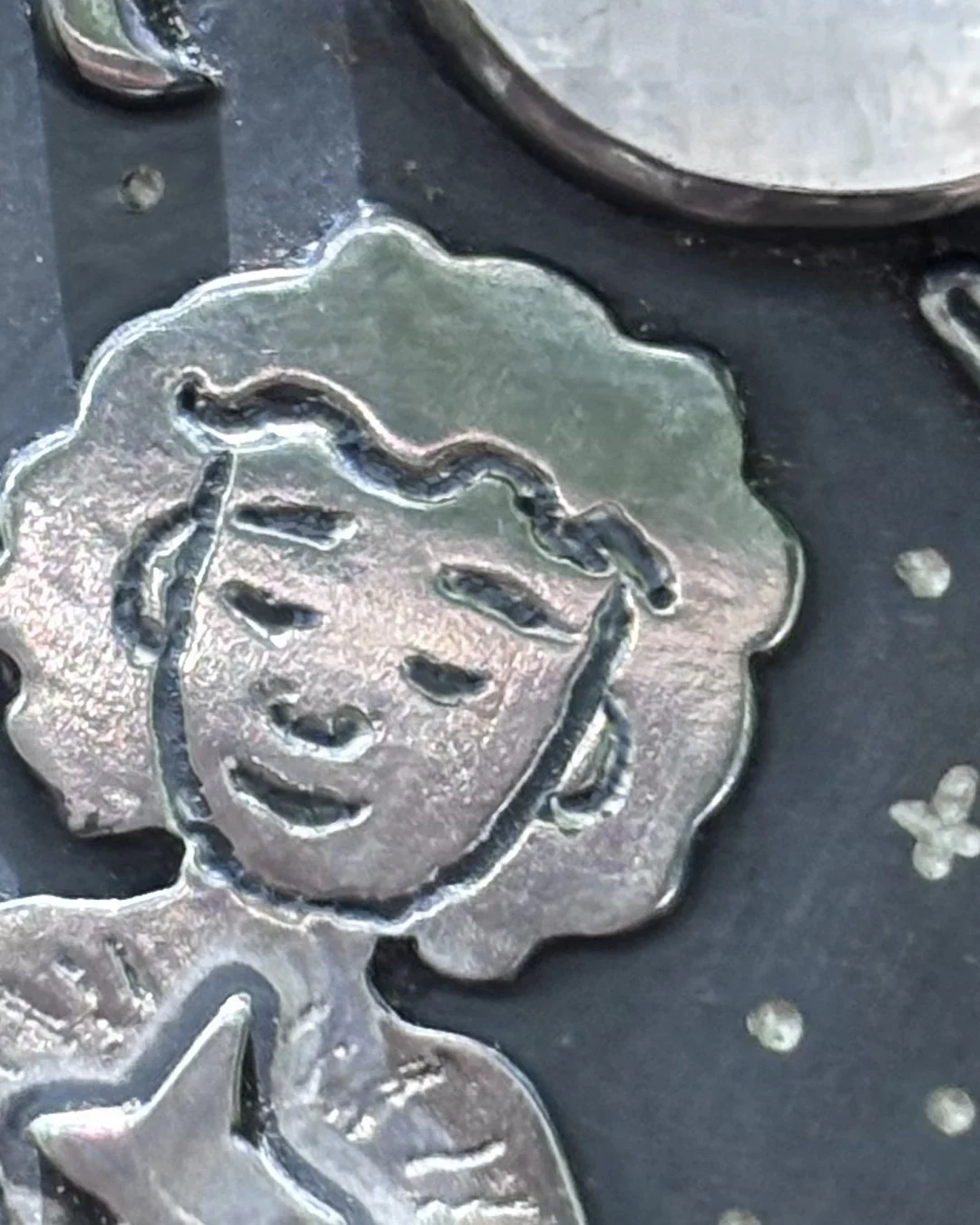
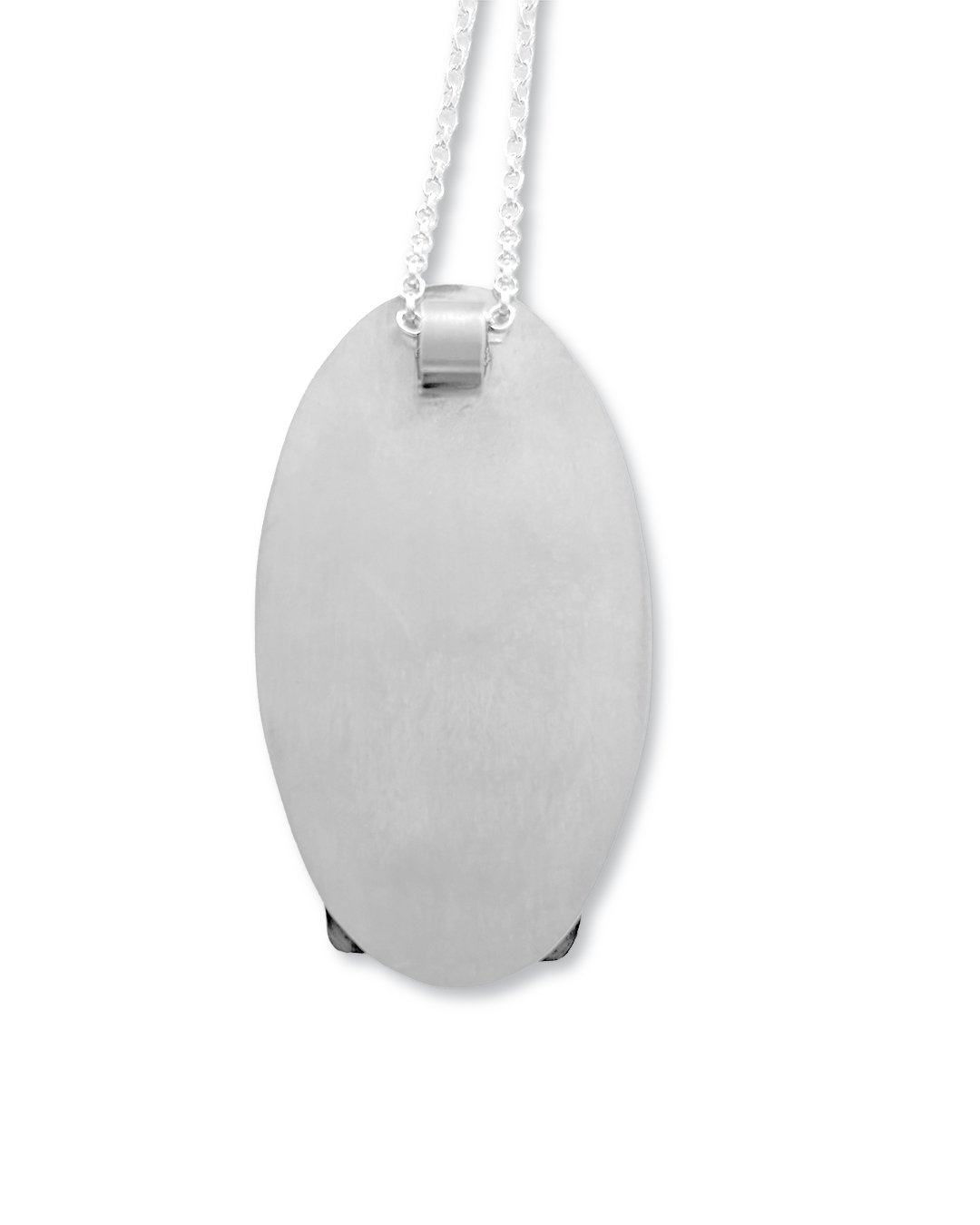
“I use recycled sterling silver sheet.”