Vega Vosbek
She/Her
Oakland, CA, USA
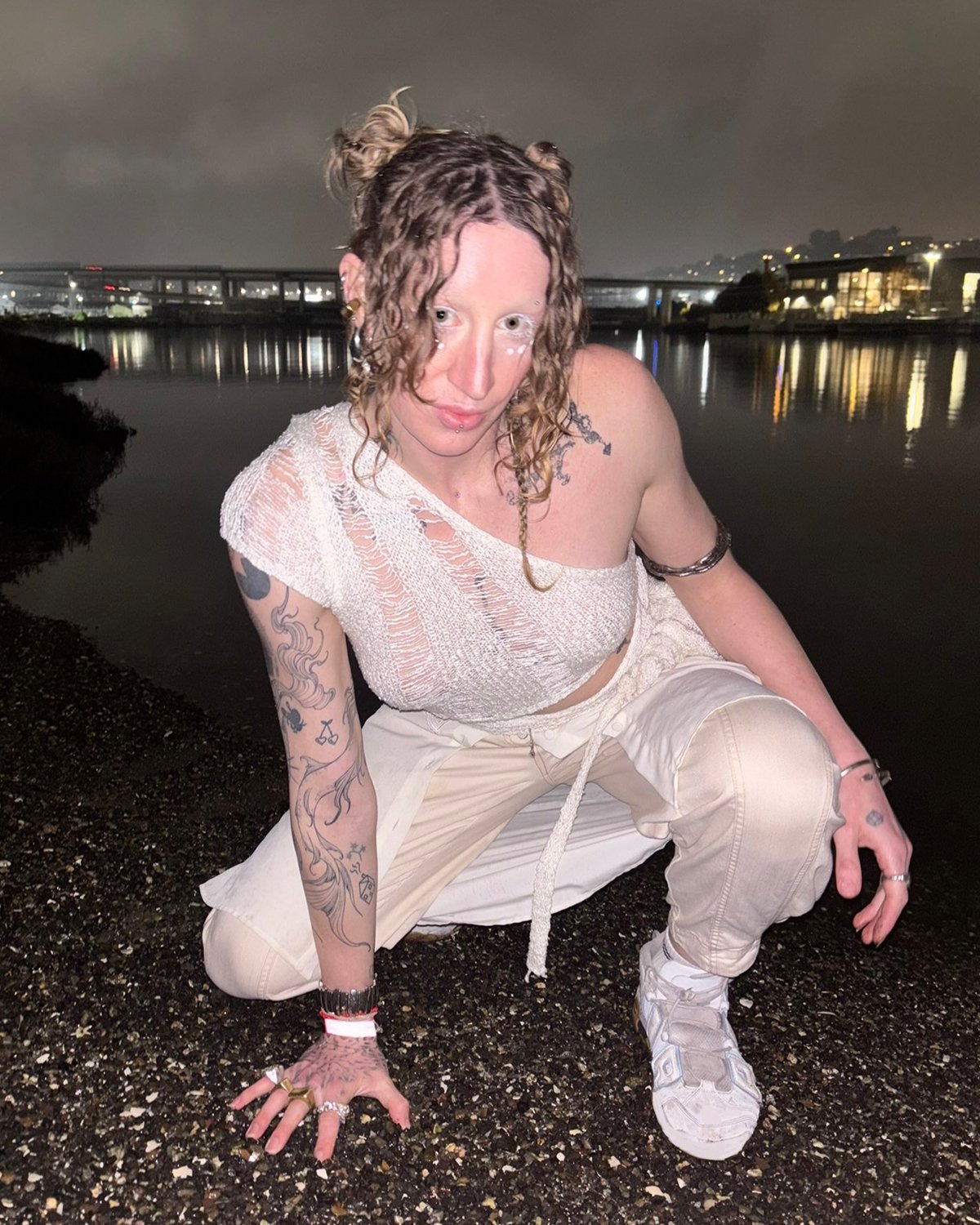
“Vega Vosbek (she/her) is a transdisciplinary artist, educator, and community steward based in Huichin (Oakland, CA – unceded Ohlone land). Her physical practice is grounded in jewelry and metalworking but weaves together a range of mediums including textiles, clay, and natural materials such as moss and water. Vega’s work imagines a space between antiquity and futurism where trans bodies are born from mud and metal, balancing raw organic forms with technological sterility. As an event producer, she invites participants into this universe through fashion shows and interdisciplinary performance spaces. Vega worked as a public school teacher before dedicating herself full-time to creating and arts education. She is currently a Jewelry Instructor at Studio One, Oakland, and teaches youth art classes in the Bay Area.”
“My work, like myself, emerges from liminal spaces. It tells stories that would otherwise be buried. It is ritualistic, a prayer for return to reciprocal ways of being.
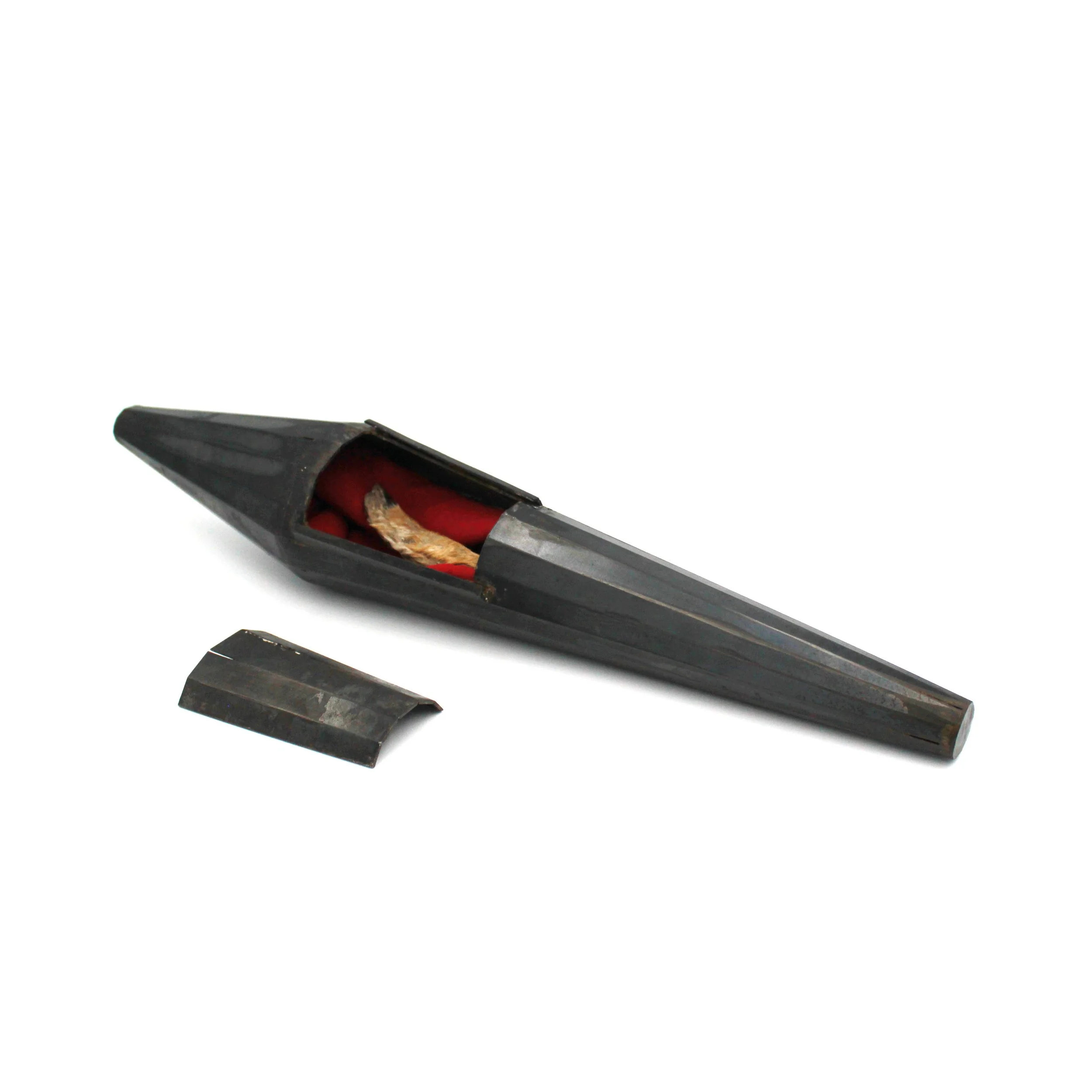
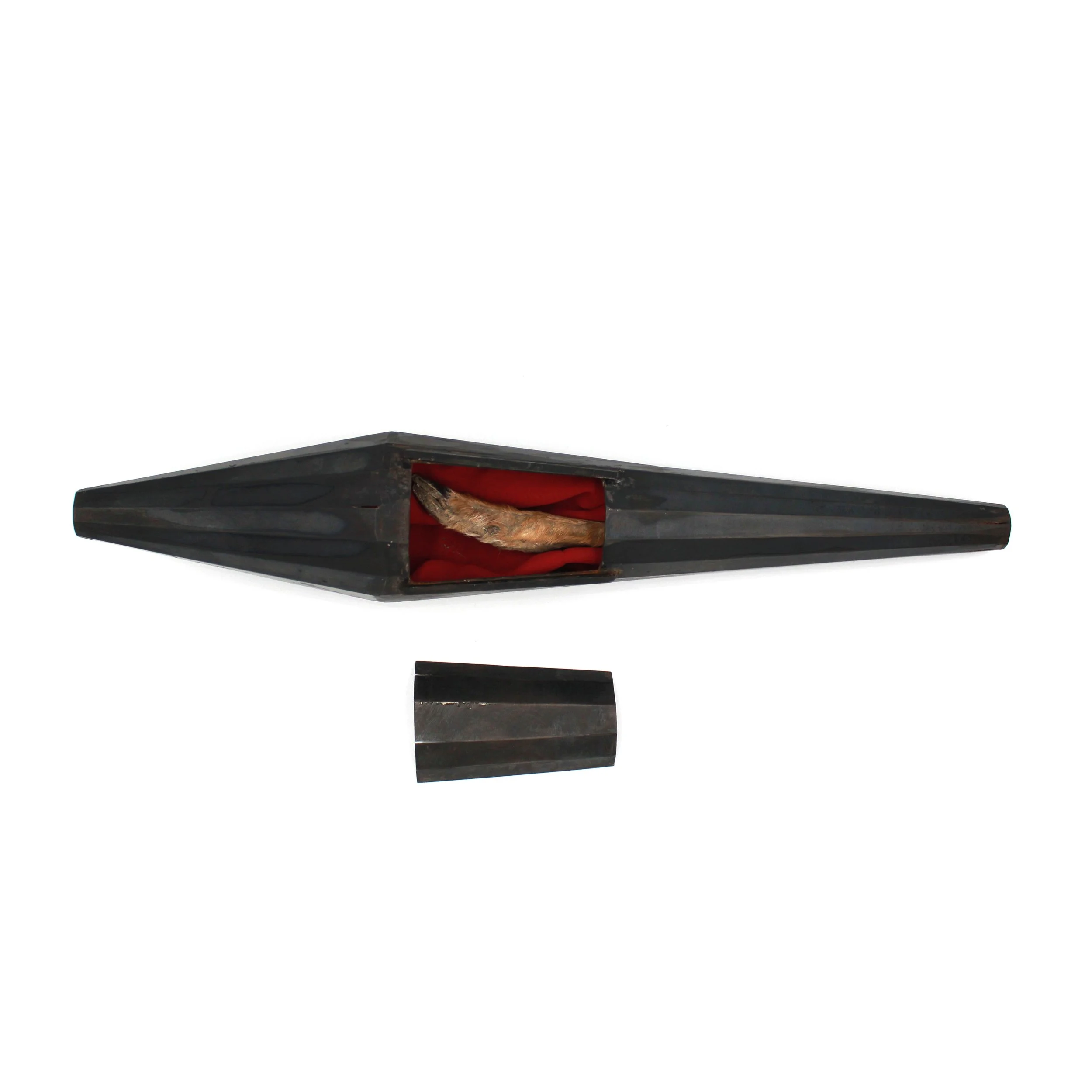
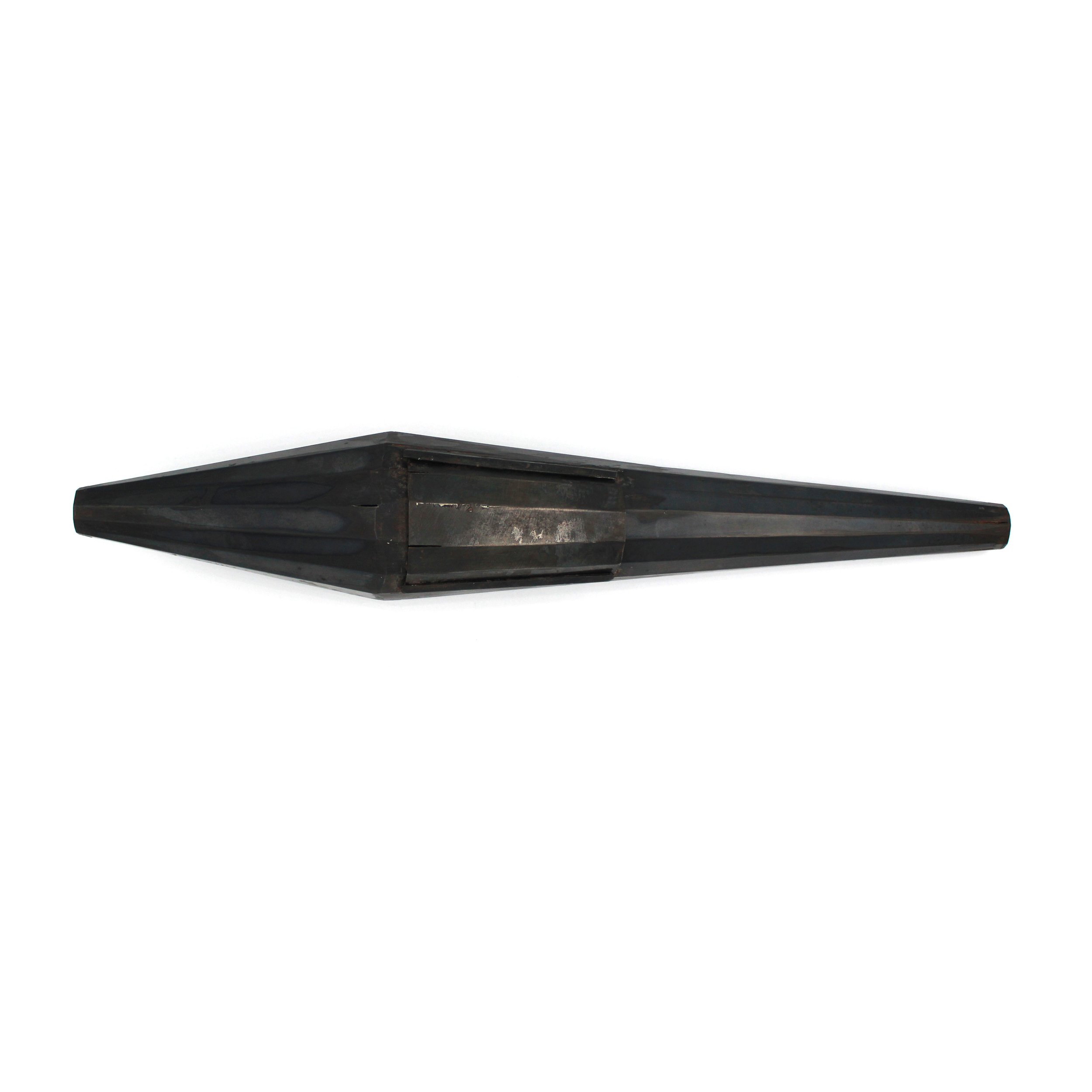
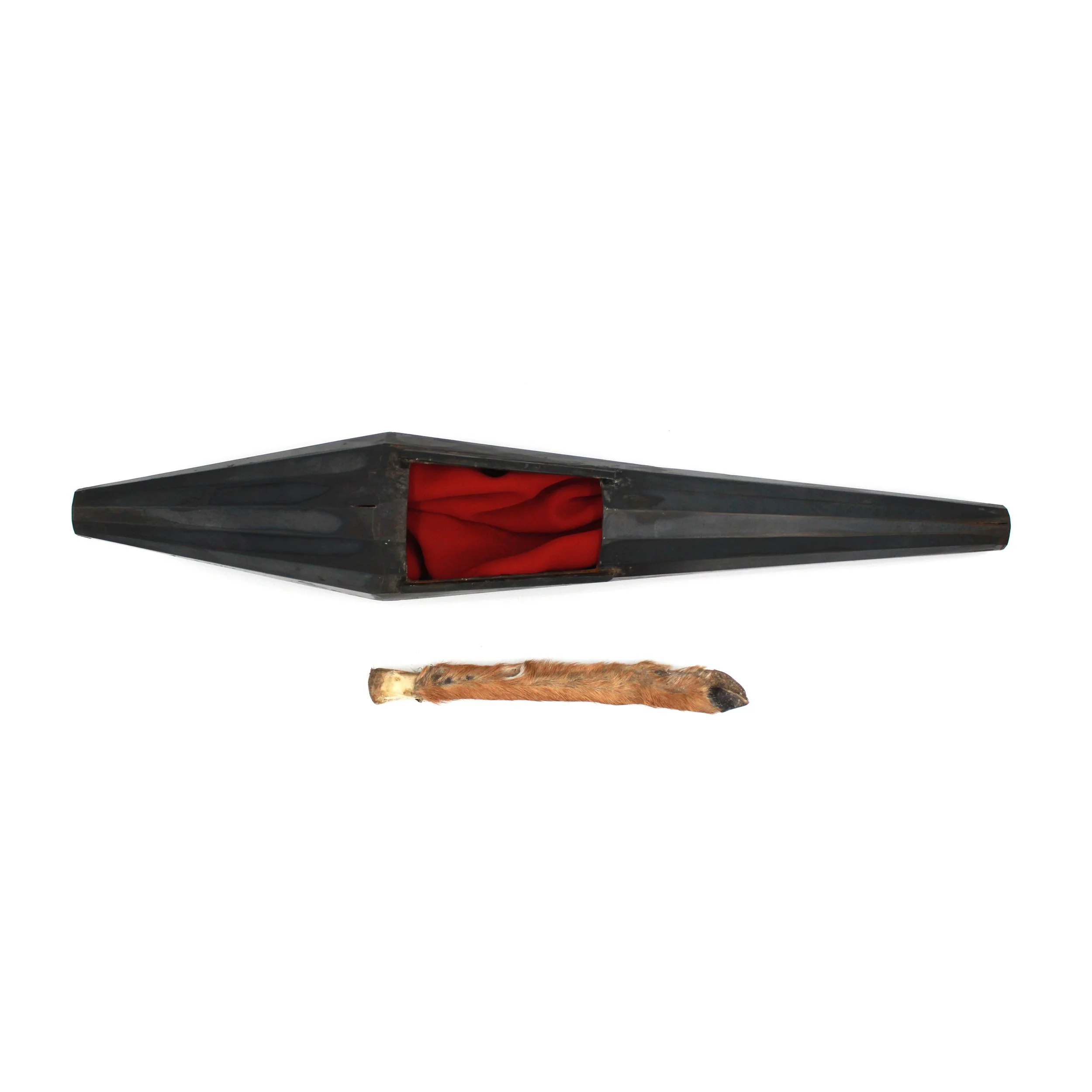
Deer Hoof Reliquary was born from reflections on the tension between modernity and the natural world. The deer represents a violent disparity in the rate of adaptation, their instincts not yet attuned to the speed of a car. This vessel is both time capsule and spaceship, a natural form artificially constructed to shuttle the memory of the deer through modernity and into the future.”
@vegavosbek
How does your work relate to the theme of restoration?
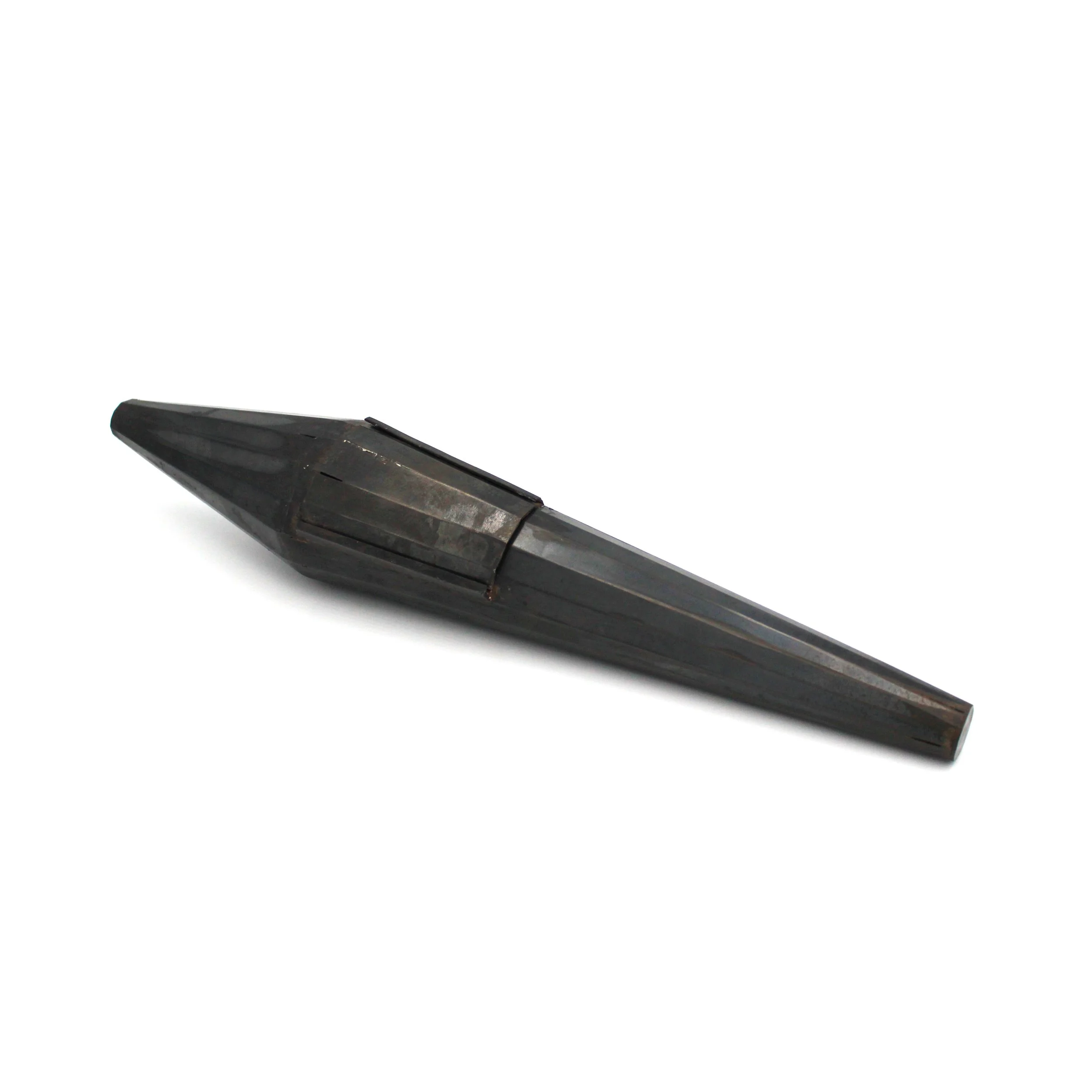
“This piece is intended to question our relationship to technology and how this intersects with the natural world. All technologies are tools which are infused with value through their production and usage. In our contemporary capitalist hellscape, the means of technological production are largely controlled by fascists, colonizers, and racists; thus, the technology we have access to is murderous, extractive, and unevenly distributed. Deer Hoof Reliquary imagines a new form of technology that honors and preserves the natural world instead of destroying it. The form draws on crystal structures and seed pods, a nod to biomimicry in technological design, while also taking inspiration from science fiction and futurism. This piece emerges from an imagined universe in which technology harmoniously intertwines with nature, both drawing on and nurturing the other, instead of extracting and destroying it. This is a utopian imagining, but to me it is also a call to return to lifeways of the past. This is where my piece relates to the theme of restoration (an extremely prescient theme for this moment): I create in the hopes that my art can help restore a more harmonious relationship with the natural world, and therefore with each other. While it’s important to be critical of the past and avoid over-romanticization, I believe that there are certain fundamental values and ways of being that have been lost in the hyper-industrialized milieu, which must be restored as we create new relationships, new lifeways, and new worlds.”
"Deer Hoof Reliquary", steel, fabric, found deer hoof, 3"x3"x18", Vega Vosbek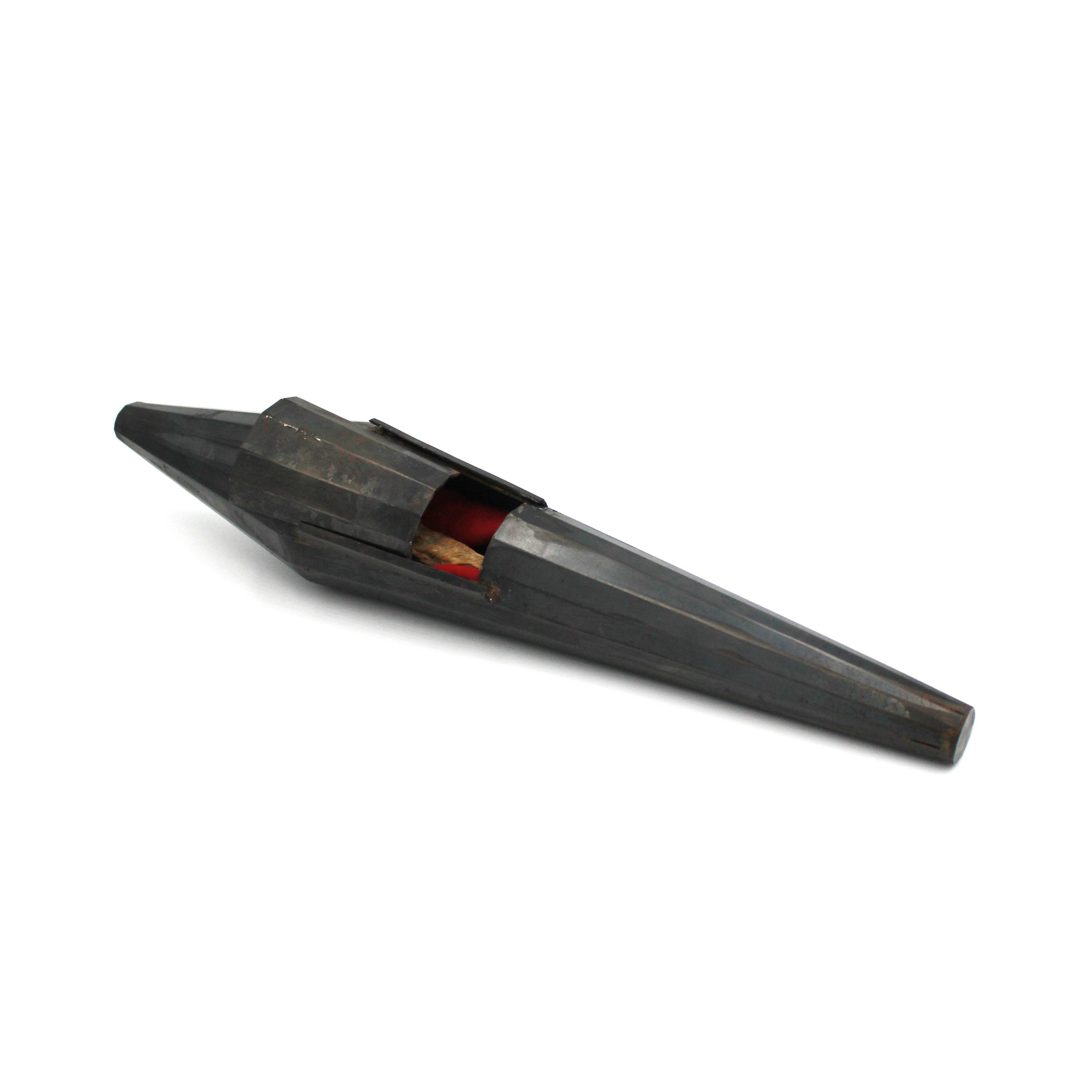
How does your creative practice allow you to restore (renew, return, reclaim, recover)?
“My creative practice is restorative in so many ways. For one, it’s literally therapy, a space to process and analyze all the chaos of the world, to reinterpret it into something that I can understand. This is a grounding process, something that provides rejuvenation and replenishment of my mind, body, and soul. Creating often feels like medicine to me, something to ease the pain and deliver me to a gentler state of being. When I feel lost, my creative practice allows me to return. It’s like a light leading me to places I didn’t even know I needed to be. My practice draws on ancient forms like runes and Celtic knotwork as well as natural forms, allowing me to recover lost histories and relationships and bring them into my modern world. I also regularly pay homage to the queer and trans ancestors who have suffered so much to allow for my existence, so building my body of work feels like creating a portal through which they can be remembered. Especially in this polarized era, it’s so important for their legacy to be honored and reclaimed from the hands of those who would rather see us destroyed. Finally, on a physical level, much of my work utilizes recycled and found objects, allowing me to restore materials with life instead of letting them be discarded. For example, the deer hoof in this piece was found on the side of a road during a recent trip to New Jersey. Instead of leaving it there to decompose, I felt called to return this nameless deer to a living space by creating a piece to honor her legacy and all she represents.”
As a queer+, artist, what do you see can be, needs to be, or cannot be restored?
“As a queer, and specifically trans, artist, I think that we need to restore certain ways of relating to each other and the world. As a society, we have largely lost our respect and love for the natural world. This feels deeply related to the lack of respect and love that we have for each other, which underlies so much of the greed, corruption, and violence dominating our world. We have largely lost our ability to discern between individuals: the chaotic chorus of scrub jays, phoebes, warblers, and finches in the morning become just “birds;” while the great diversity of oaks, maples, junipers, climbing English ivies, gardens full of lantanas, lupines, and poppies, all get flattened into “trees,” “bushes,” and “flowers.” Many of us can barely recognize the differences between species, let alone individuals.
I think this directly correlates to our inability to fully see other people in their humanity. Instead we are conditioned to define each other by race, class, and gender, leading to a world predicated on division rather than connection. It is through these divisions that we are exploited, oppressed, and violated. I understand this deeply as a trans woman. At the same time, this very identity has shown me the fragility of these categories, how easily their artificial boundaries can be crossed. This experience underlies my relationship with other beings, in being able to recognize that they are not simply a bird, or a tree, or a man or a woman, but that each being is a unique individual with an irreplicable combination of traits, quirks, histories, hopes, and dreams. And this understanding, in turn, allows me to connect with others, to build bridges of understanding for each others’ suffering and struggles. This is where radical solidarity is born, a true solidarity that prevents us from recreating the same systems of oppressive division. As an artist, my goal is for my work to provide a doorway to this understanding, to show people the parts of themselves, their own ancestral memories, that must be restored in order to create the futures we desire for ourselves, for the next generation, and all who come beyond that.”
Photographs Courtesy of the Artist
Anything else you would like to share about this work? This can be an important part of the process, sourcing materials, or research.
“Deer hoof was found during a stay at Peter's Valley in New Jersey!”