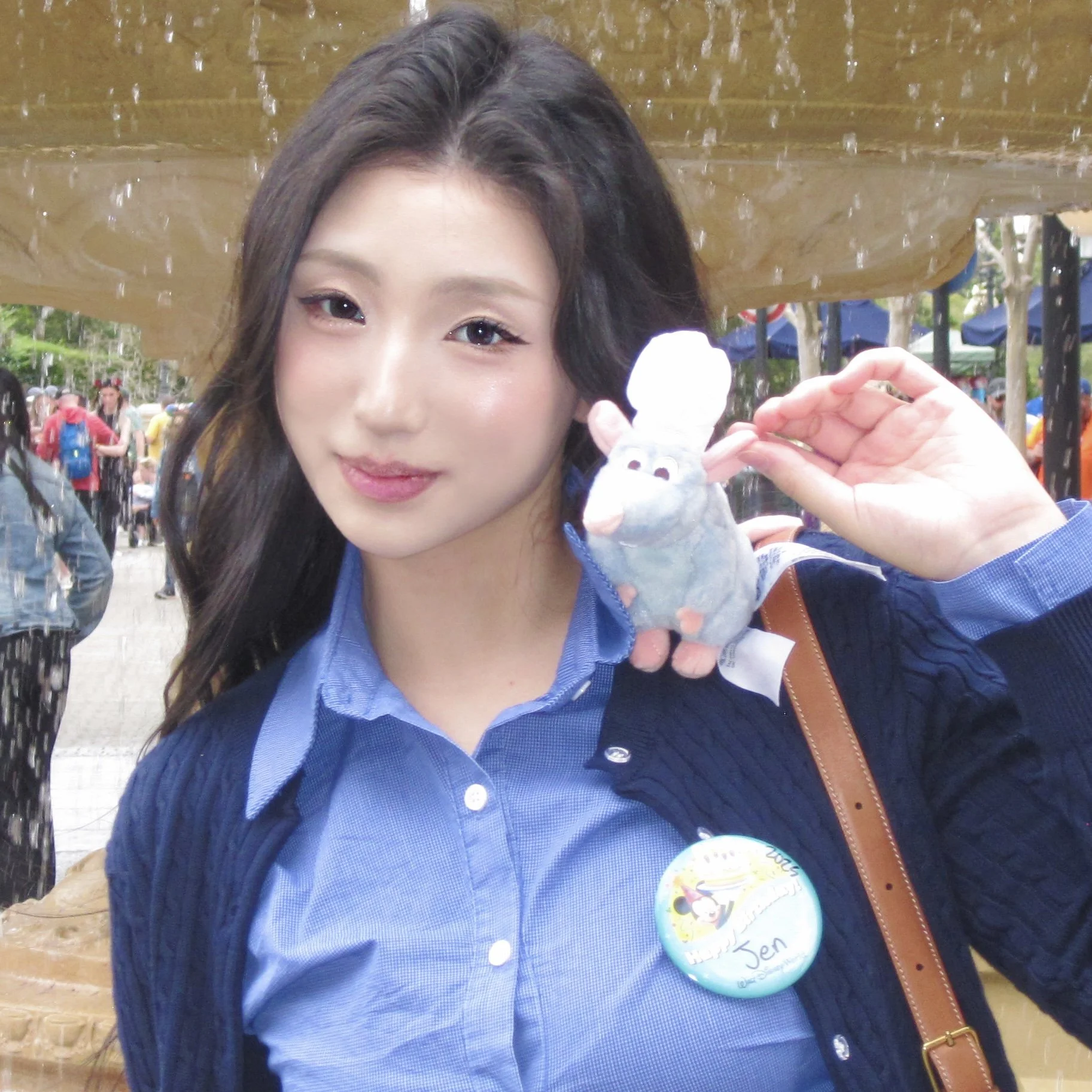
Jen Xiaohan Wu
She/Her
CHICAGO, IL, US
Xiaohan Wu is a metalsmith and contemporary jewelry artist whose work explores the intersection of form, sound, and communication. Wu holds a BFA from the Metal Program at the State University of New York at New Paltz
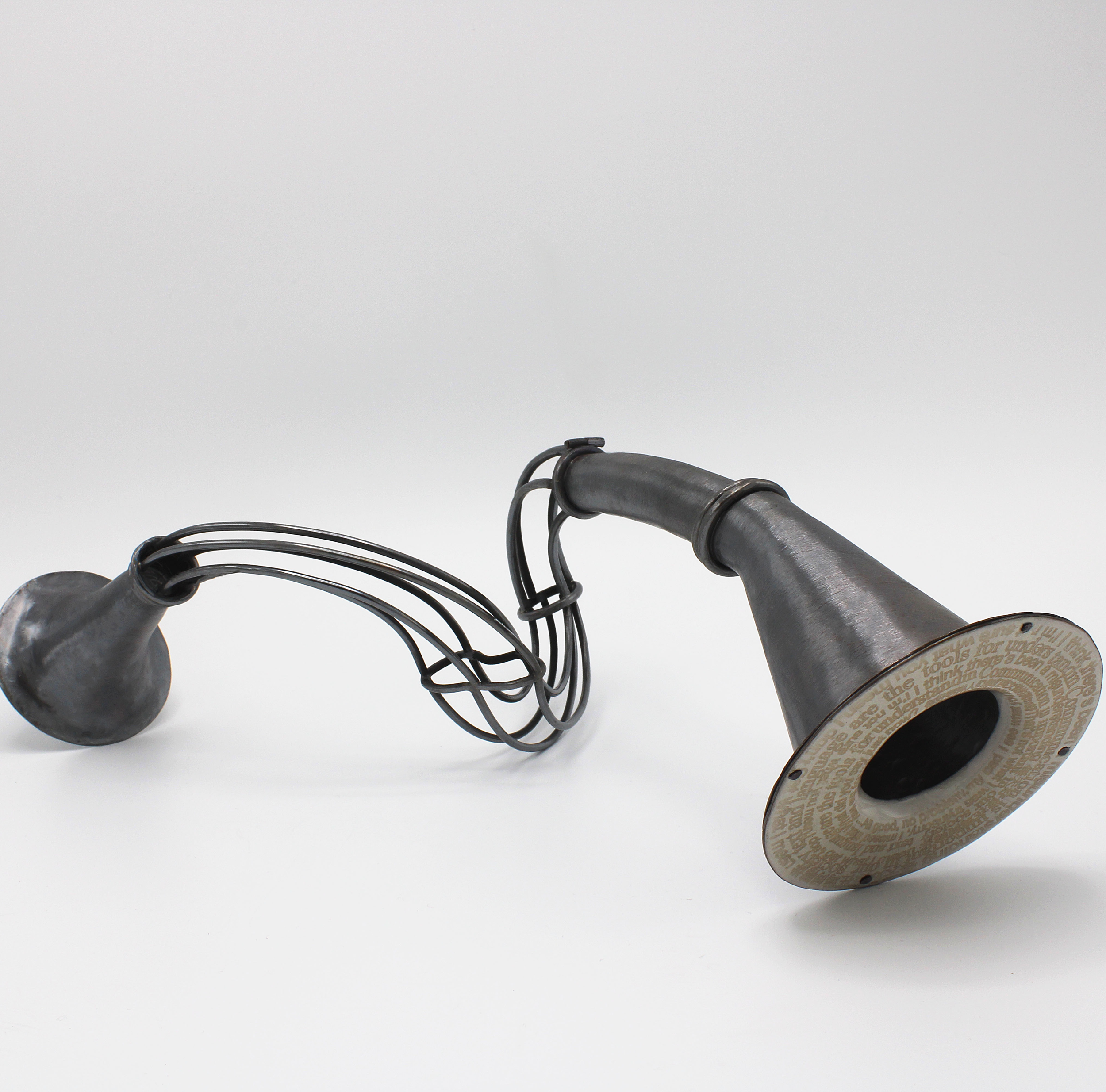
“By crafting the form of the horn in metal, I explore ideas about sound and miscommunication. These vessels may amplify sound, but they also represent how messages can be misunderstood, misconstrued, distorted, or even lost. As a non-native English speaker living in the US, this experience has sometimes left me feeling a sense of isolation. Should I just avoid speaking? It’s almost as if the horn is telling us to speak up and be heard. This body of work reflects my uncomfortable struggle but also encourages finding confidence and acceptance of the diversity of language.’
How does your creative practice reflect your experience of living and making as a BIPOC and/or 2SLGBTQIA+ maker?
“My experience as a BIPOC immigrant artist directly shapes how I work with material, sound, and form. Living in a non-native language makes me constantly aware of how voices are received, misunderstood, or lost. This awareness leads me to center vibration, resonance, and acoustic behavior in my practice. I treat metal not only as a sculptural medium but as a body capable of “speaking.” By bending, striking, and shaping horn-like or tubular structures, I explore how form alters sound, because these shifts mirror my own experiences of communication—sometimes amplified, sometimes softened, sometimes distorted by accent or cultural distance.”
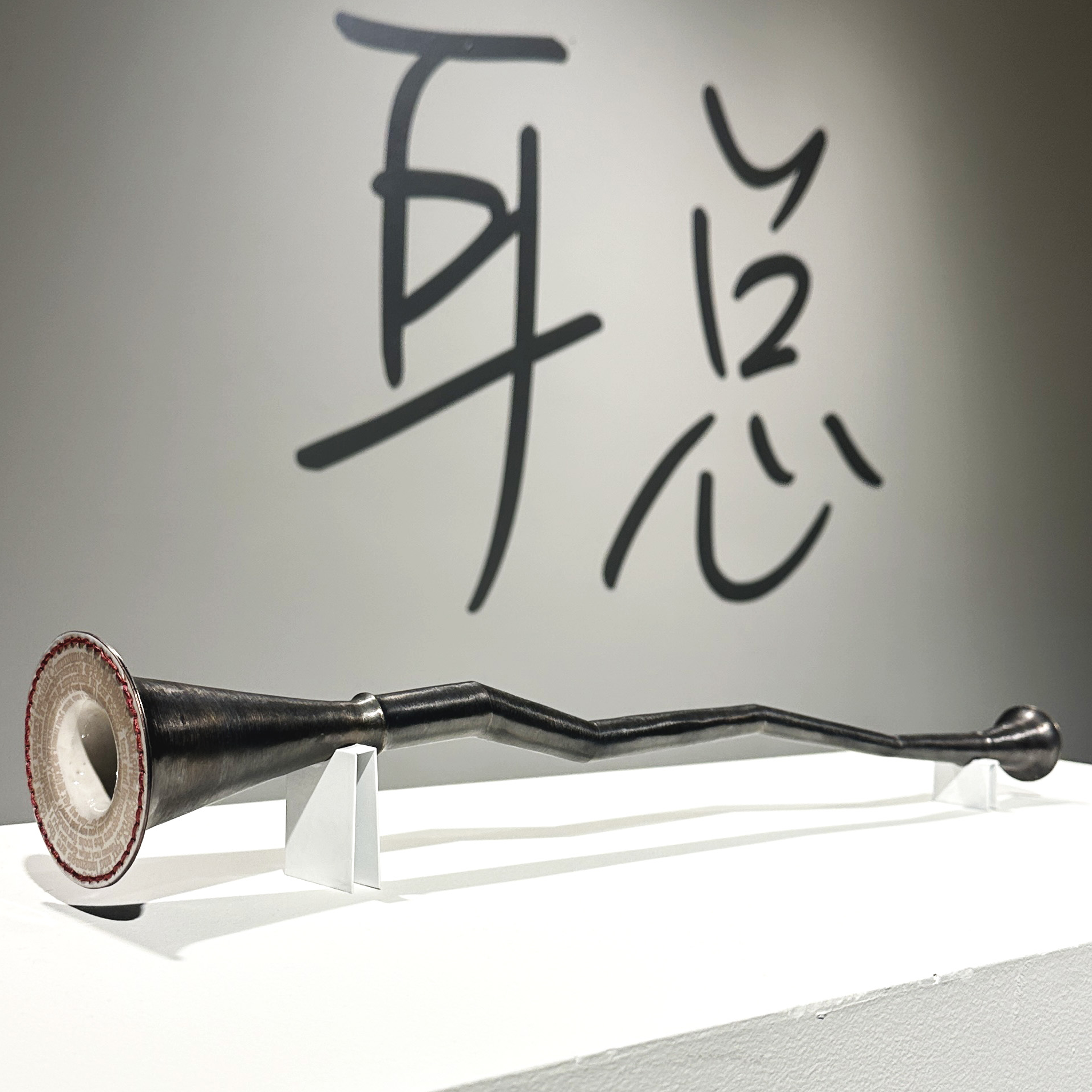
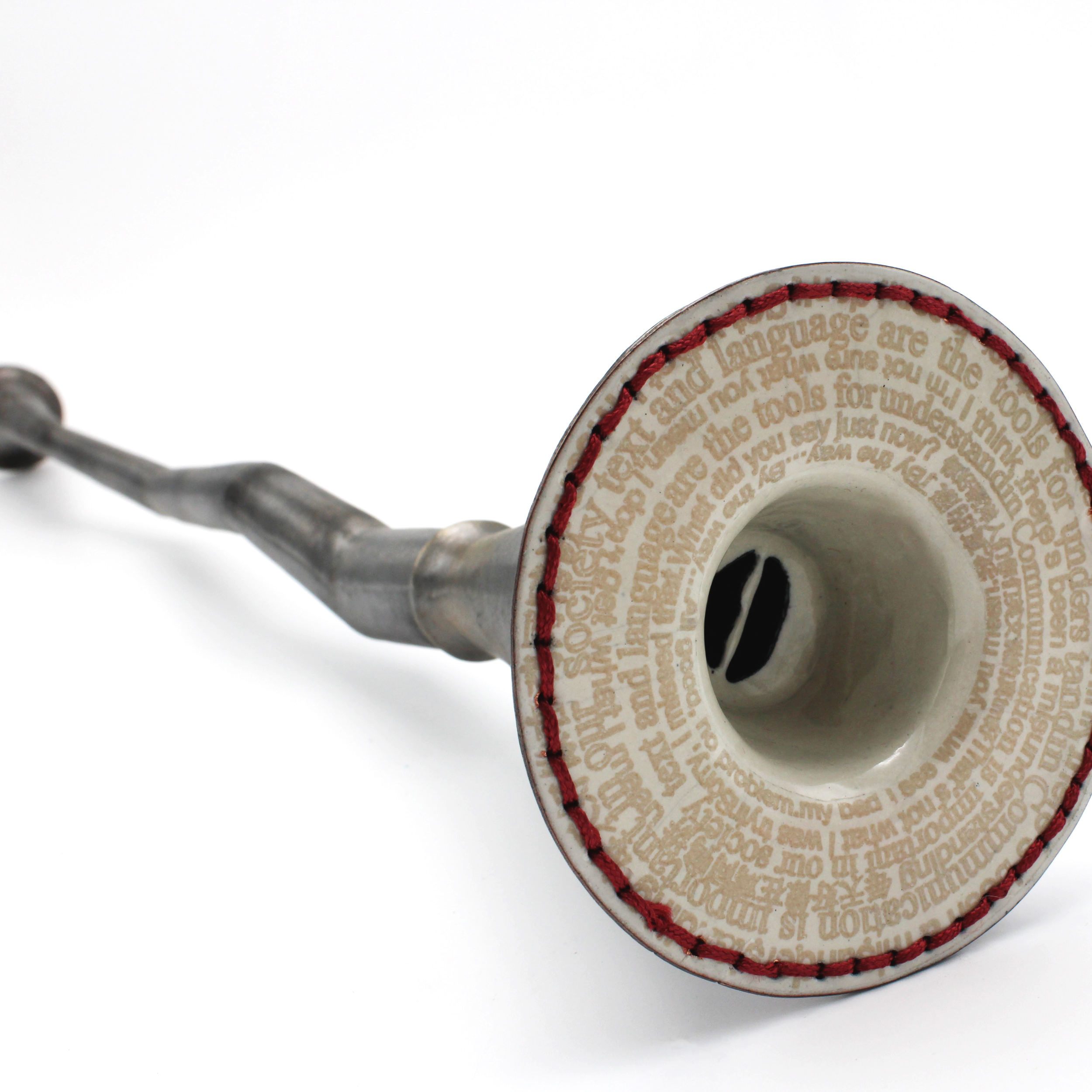
"Ack!", Brass, Copper, Enamel, 20in x 3in x 3in, 2025“The skills I've inherited come from traditional metal forming and enameling techniques, imbued with profound handcrafting experience and a deep understanding of materials. The sounds metal produces when struck, bent, and stretched—different hammers and hammerheads of different materials produce different timbres; even the mandrel of different materials alters the texture of the sound. The forming process itself is like a "sound narrative."
In my current work, I reimagine these traditional techniques, viewing sound as part of the material, and also as a way of expressing emotions and communicating. The frequency, force, rhythm, and hesitation of each strike become a record of my emotions. The sound of hammering is not merely a technical process, but an expression: light taps, heavy blows, pauses, and repetitions all correspond to my emotional fluctuations and communication experiences in cross-cultural life.”
What techniques, stories, or materials have been passed down to you, and how are you reimagining them in the present?
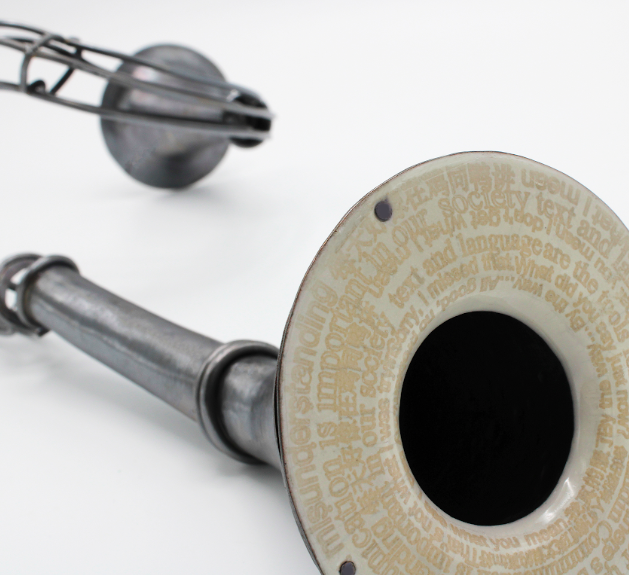
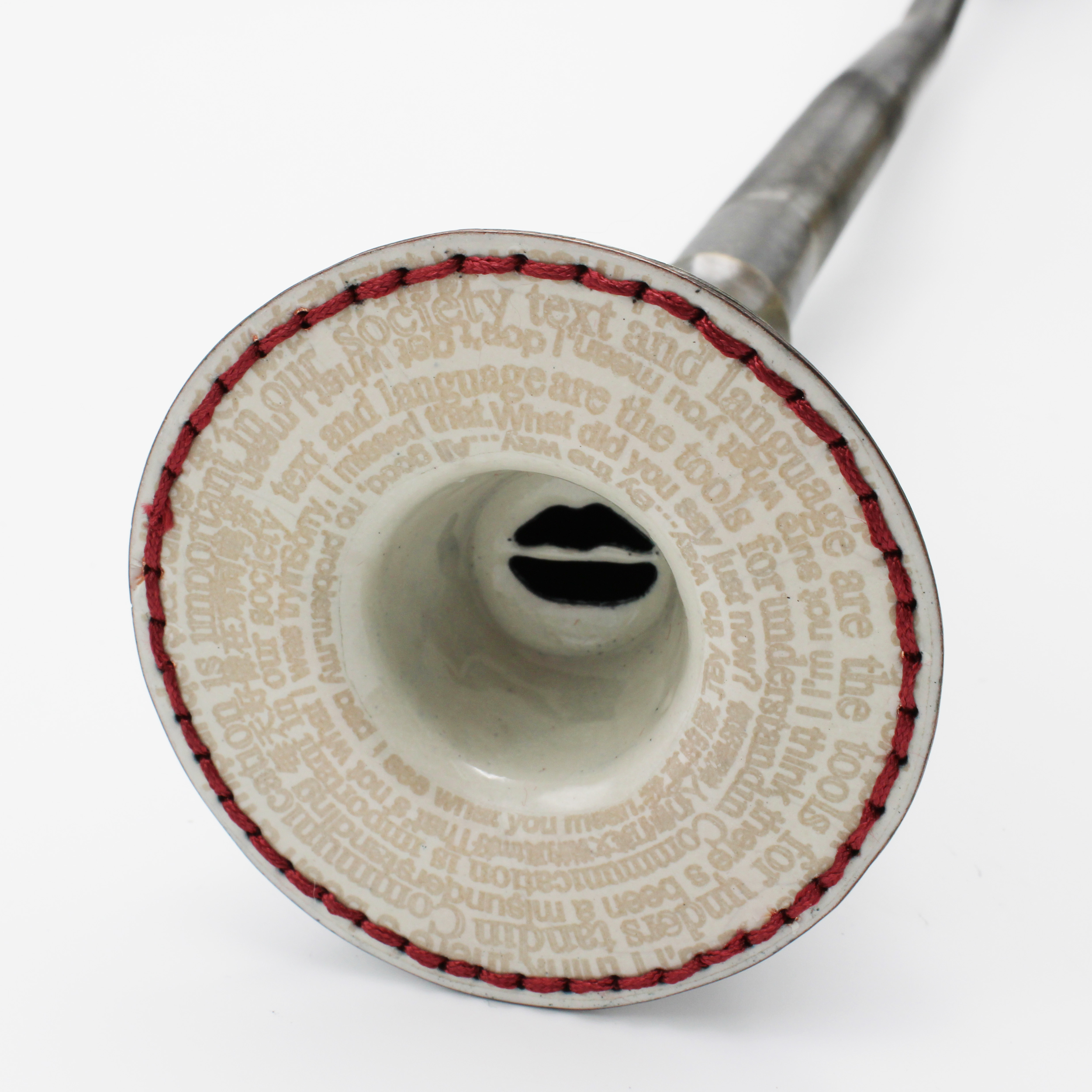
"How Are You?", Copper, Enamel, 11in x 6in x 4.5in, 2025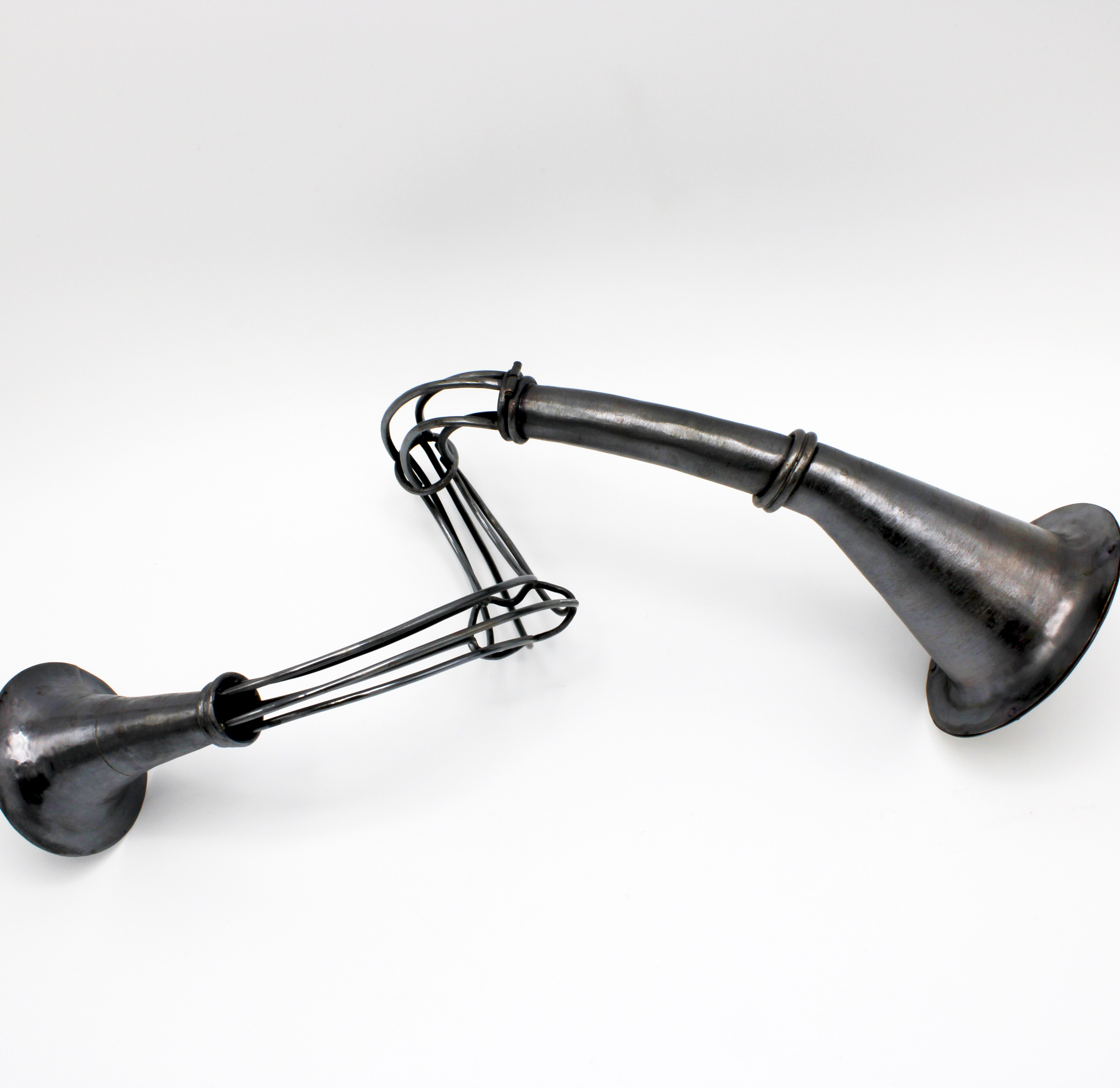
Photographs Courtesy of the Artist
How does your work honor those who came before you while forging new pathways for the future?
“I am deeply lucky to have multiple mentors with much wisdom to share. Between them, they have almost 100 years of experience. The world that they learned their skills in is much different than the one we find ourselves in today. Technology, the economy, even the social fabric itself are vastly different for a goldsmith now than they were 60 years ago. They have taught me the “old-school” techniques, and how to use what you have on hand while we slowly add in new technologies that are easier on the body. I am dedicated to passing on their knowledge, and have been teaching classes which focus on technique and problem solving. My hope is to contribute to the slowly growing interest in fine craft and spread the contagious joy that metalsmithing brings”