
Nanette Pengelley
She/Her
Durham, NC, US
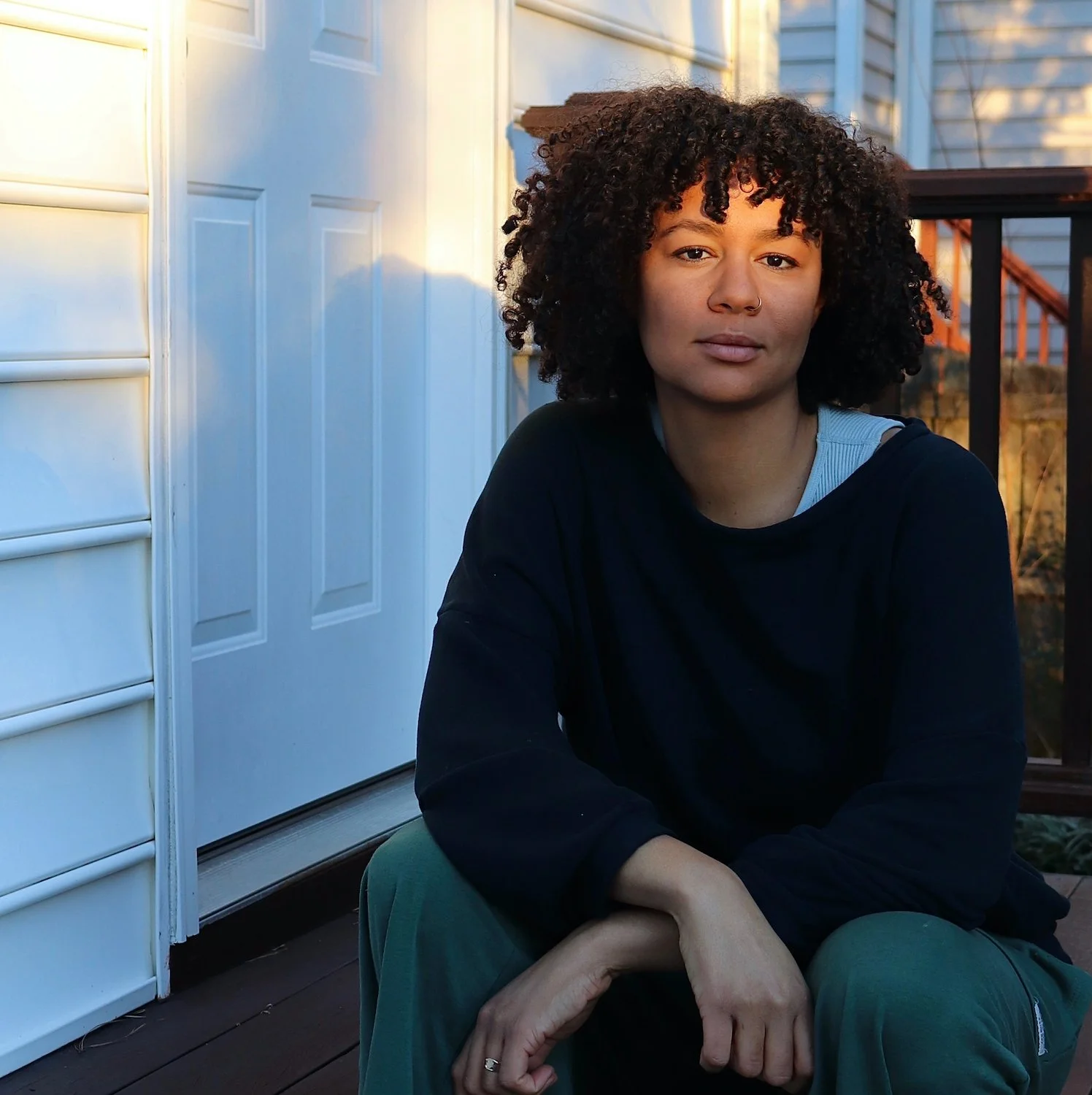
Nanette Pengelley is a queer, Jamaican-American metalsmith from south Florida. After graduating from MassArt in 2015 with her BFA in Jewelry and Metalsmithing, Nanette has been teaching as well as exploring her practice within her brand Hew Jewelry.
“My work centers around the use of sustainable production methods. When I integrate found objects and up-cycled materials alongside semi-precious materials and my own unique craft methods, I introduce these discoveries into a transitive context. As a result, my process is a derivative of my environment. Through experimentation, I endeavor to locate myself in my surroundings, as an artist—as a person. To put it simply, my work is shaped by my surroundings, so that my very way of experiencing the world can be carried forward with the wearer, through the act of making.”
www.hewjewelry.com
How does your creative practice reflect your experience of living and making as a BIPOC and/or 2SLGBTQIA+ maker?
“I think that making in a way that causes the least amount of harm is a really important part of my practice, and when I think about where that comes from, I have to seriously consider my lived experience as a queer person of color. I have so many memories of being treated poorly because of my identity, and so I find it necessary to move forward in the world consciously to avoid passing on that harm on to others. Making using sustainable methods, doing my part to reduce waste and reuse materials whenever possible, donating 20% of my income back into my community-- all those parts of my practice are informed by how I move through the world.”
What techniques, stories, or materials have been passed down to you, and how are you reimagining them in the present?
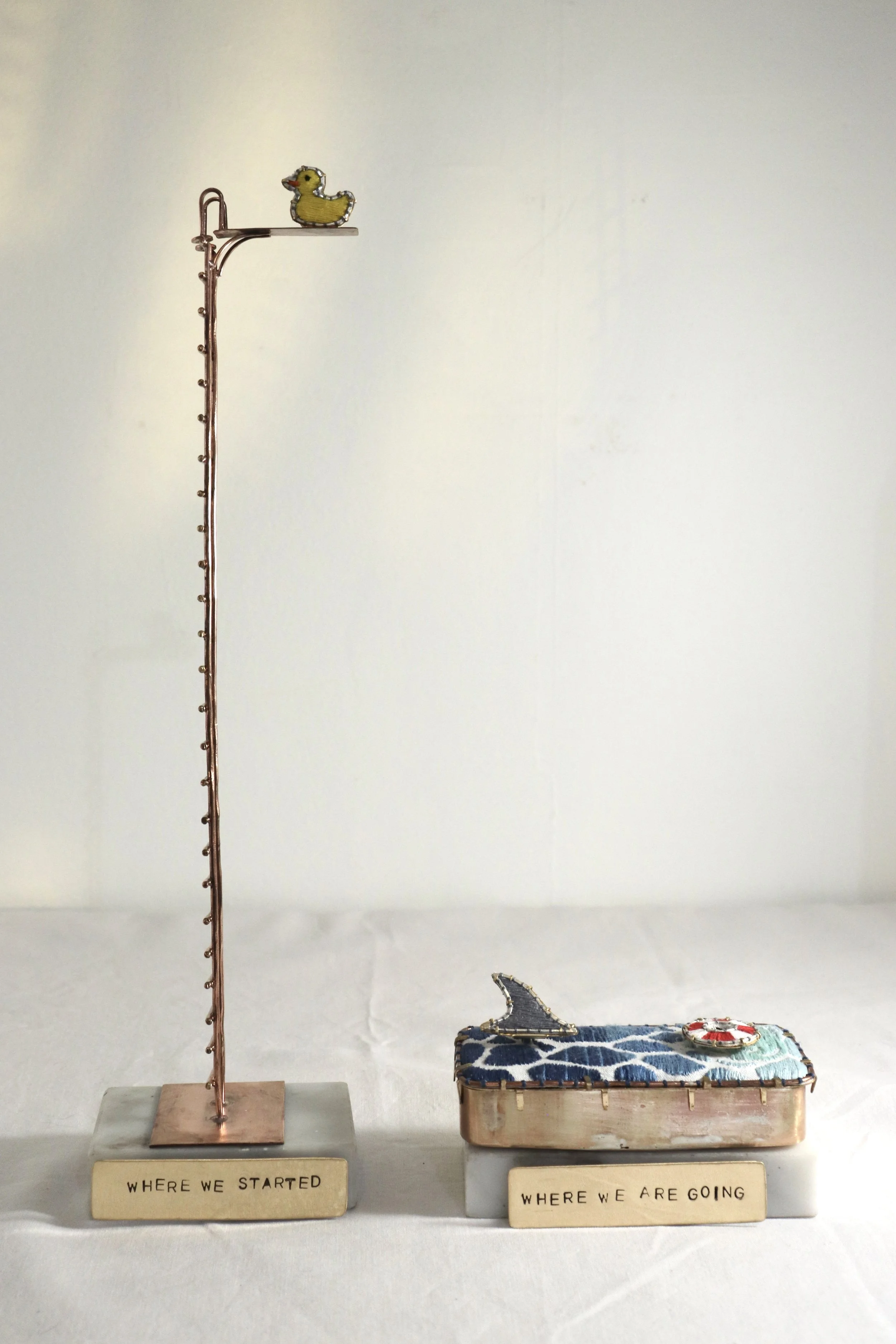
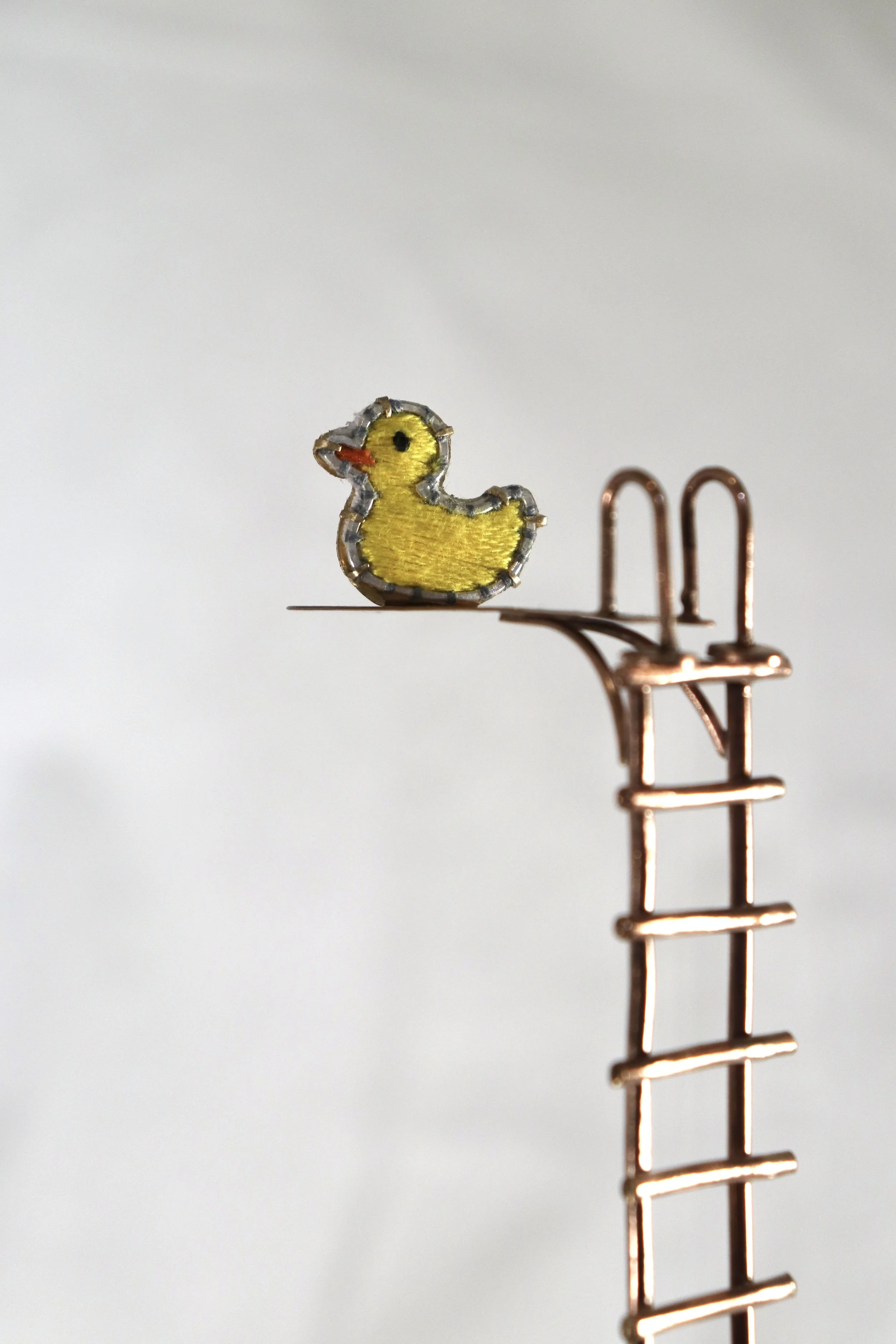
“How does that saying go--’where ever you go, there you are’? It's impossible to separate yourself from your work. Every time my parents told me that we couldn't afford the latest toy, my brain challenged me to create my own. My grandmother taught me how to sew dresses for my doll when the ones in the American Girl catalogue were too expensive, while my sisters and I built a whole town out of shoe boxes for our barbies, complete with a water feature. My family was the only black family in the entire school, and I always felt a deep aversion to being different or other. The year all the kids in school switched over from rolling backpacks to one shoulder bags, it wasn't in the budget to get a new bag mid year, so I made my own. I carried my creativity through my childhood like a shield-- a necessary tool for survival, but I find it's now intrinsic to my practice as an artist. Working with found objects as well as fibers has been passed down to me from family traditions, and has been part of my way of making my whole life. It's the lens through which I view the world.”
"everything is fine", hand embroidered cotton, brass, glass, magnets, music box, 8" x 10" x 3", 2026How does your work honor those who came before you while forging new pathways for the future?
“I have my biological family, but when I really need to be held, I have my chosen family--my queer family. The traditions of my culture are just as much a part of my work as the support of my wife or my best friend. My maternal grandmother sewed all of her children's clothes, we were born on the same day, and I my first name is for her. My paternal grandmother came from Jamaica to take care of me when my parents had to go back to work and couldn't afford daycare-- she was grumpy and yelled a lot, and my middle name is her name. I've always felt a deep connection to both grandmothers, in completely different ways. One taught me patience and resilience-- the other taught me what coffee tastes like and how to swear like a sailor. Quite frankly, the future looks very uncertain to me lately. I watched a documentary about AI last month and let me tell you, where we are heading might be a little terrifying. The presence of so much existential dread has me looking to the past for a way forward, falling back on the traditions passed down to me and the support of my chosen family to move forward.”
Anything else you would like to share about this work? This can be an important part of the process, sourcing materials, research, etc.
“All I could focus on was weaving a touchstone of comfort through the voices of my family-- both biological and chosen, to carry me through the uncertain future that lies ahead.”
Photographs and Video Courtesy of the Artist